


Food
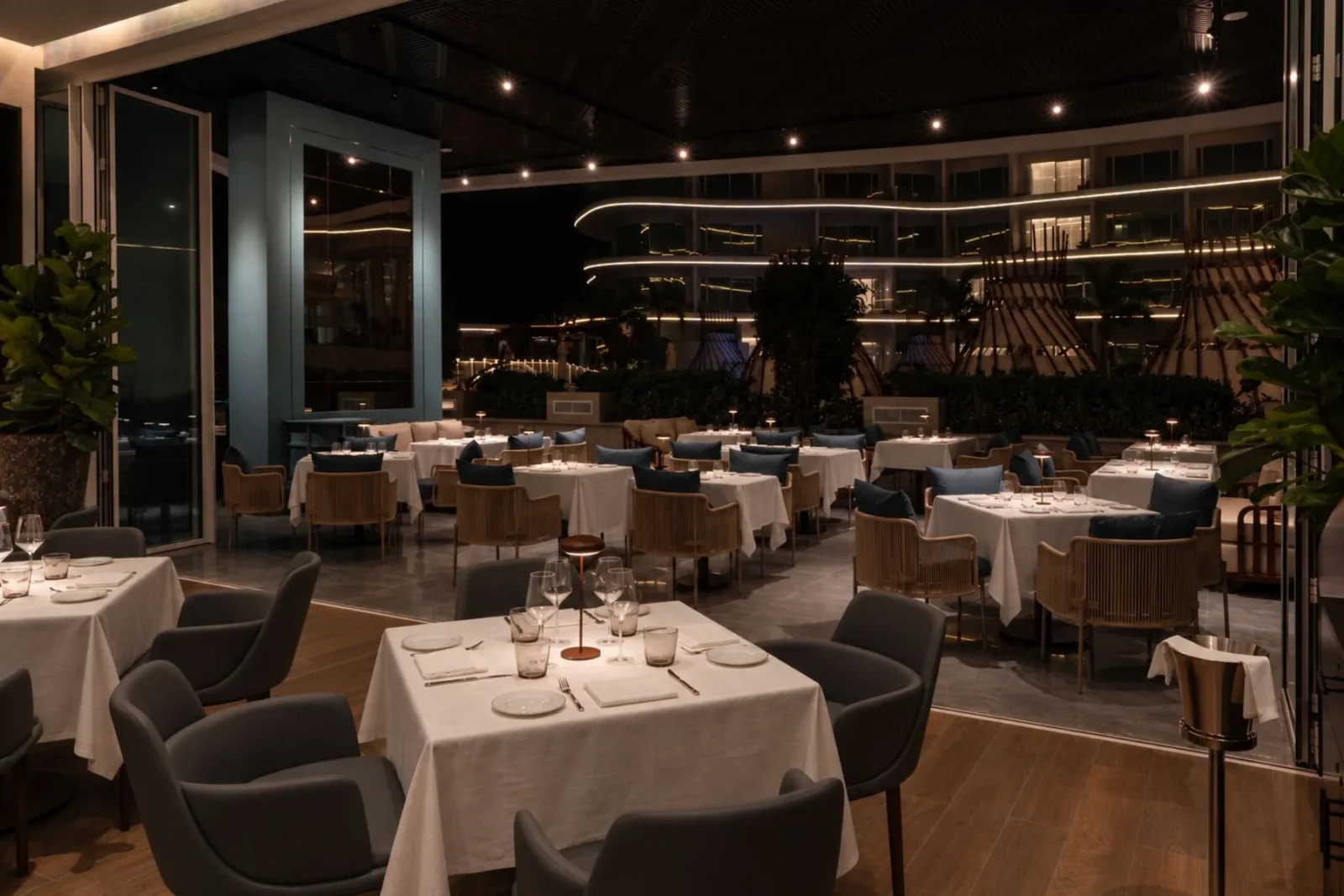
Puglia’s Sea, Plated in Muscat
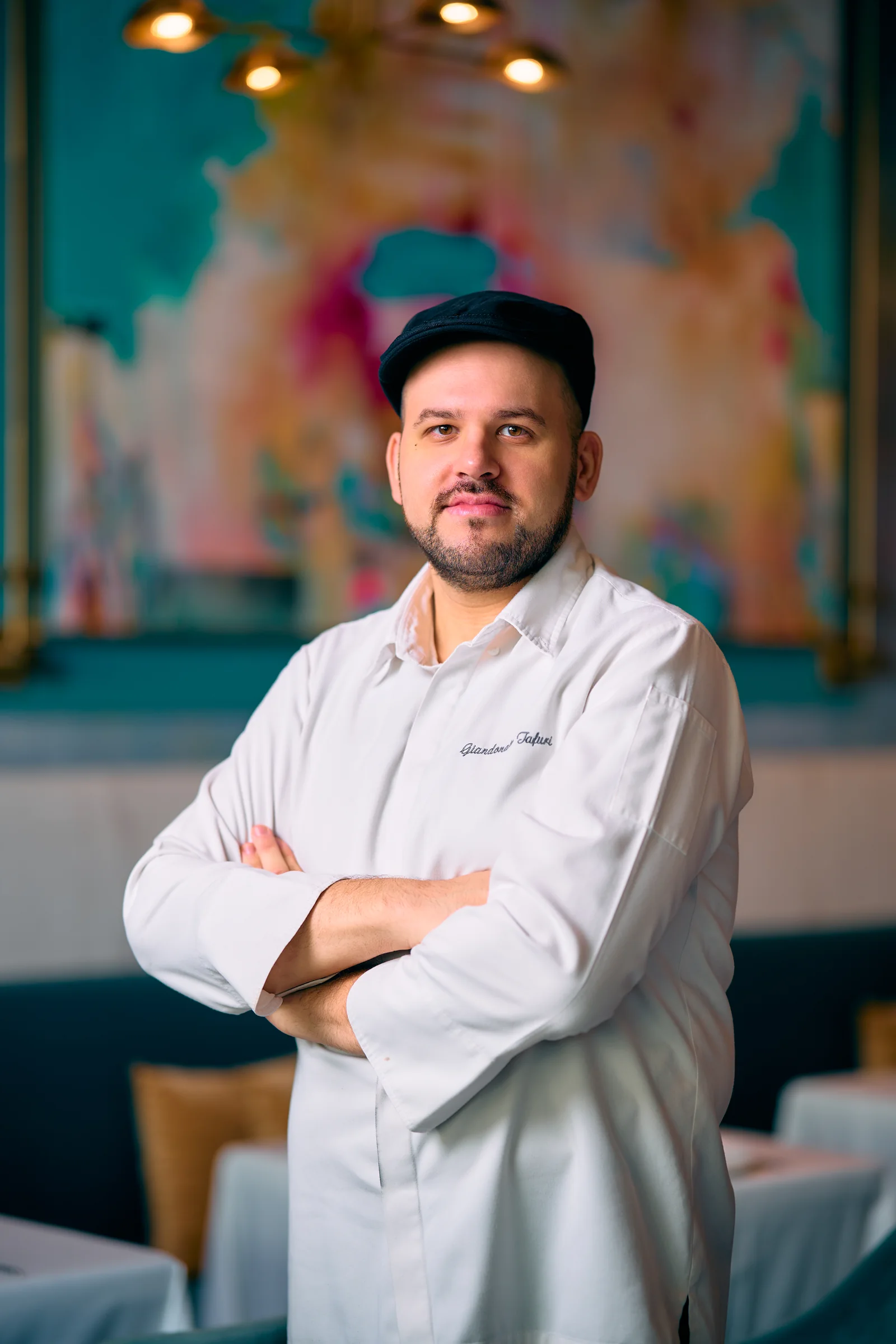
Giandonato Tafuri started cooking at twelve, in a Puglian family of chefs and seafood farmers, where freshness was never a philosophy to discuss but the shape of every ordinary day. Decades and several countries later, he is the executive chef of Roberto’s Muscat, the Omani home of a name the Gulf already knows for Italian fine dining.
He spoke to Boujeez about the sea that formed him, the discipline that simplicity quietly demands, and building a kitchen that belongs to Muscat rather than merely arriving in it.
The Chef
The Boy From Puglia
He learned early that you cannot hide a bad ingredient. Freshness and seasonality were not ideas but the texture of daily life, and that instinct still rules how he cooks: respect what is already there, and know when to stop.
The Instinct
You Cannot Hide a Bad Ingredient
People assume simple food is easy, he says, and the opposite is true. When only a few things sit on a plate, every one of them has to be right, because there is nowhere for weak technique or a poor ingredient to disappear. If the product is exceptional, he would rather not interfere with it at all.
Puglia travels with him in ways that never reach the menu as a label. He does not walk into the kitchen deciding to cook something Puglian; it surfaces instead in how he judges an ingredient, how much he chooses to do to it, and how readily he leaves it alone. Seafood, good olive oil, basil and fresh dairy are the things that feel like home. Give him beautiful mozzarella, burrata or stracciatella and little else, he says, and he is happy.
The Signature
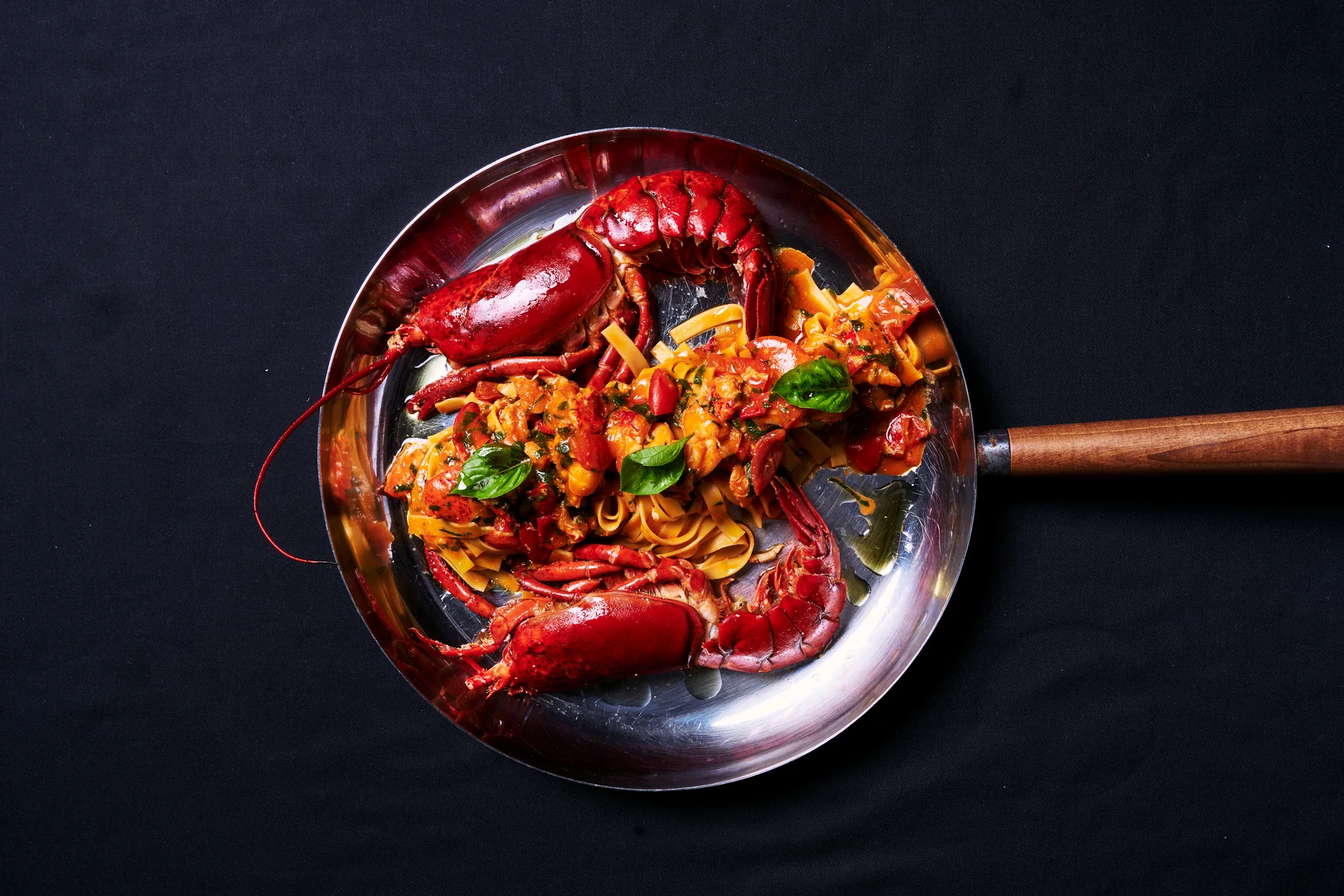
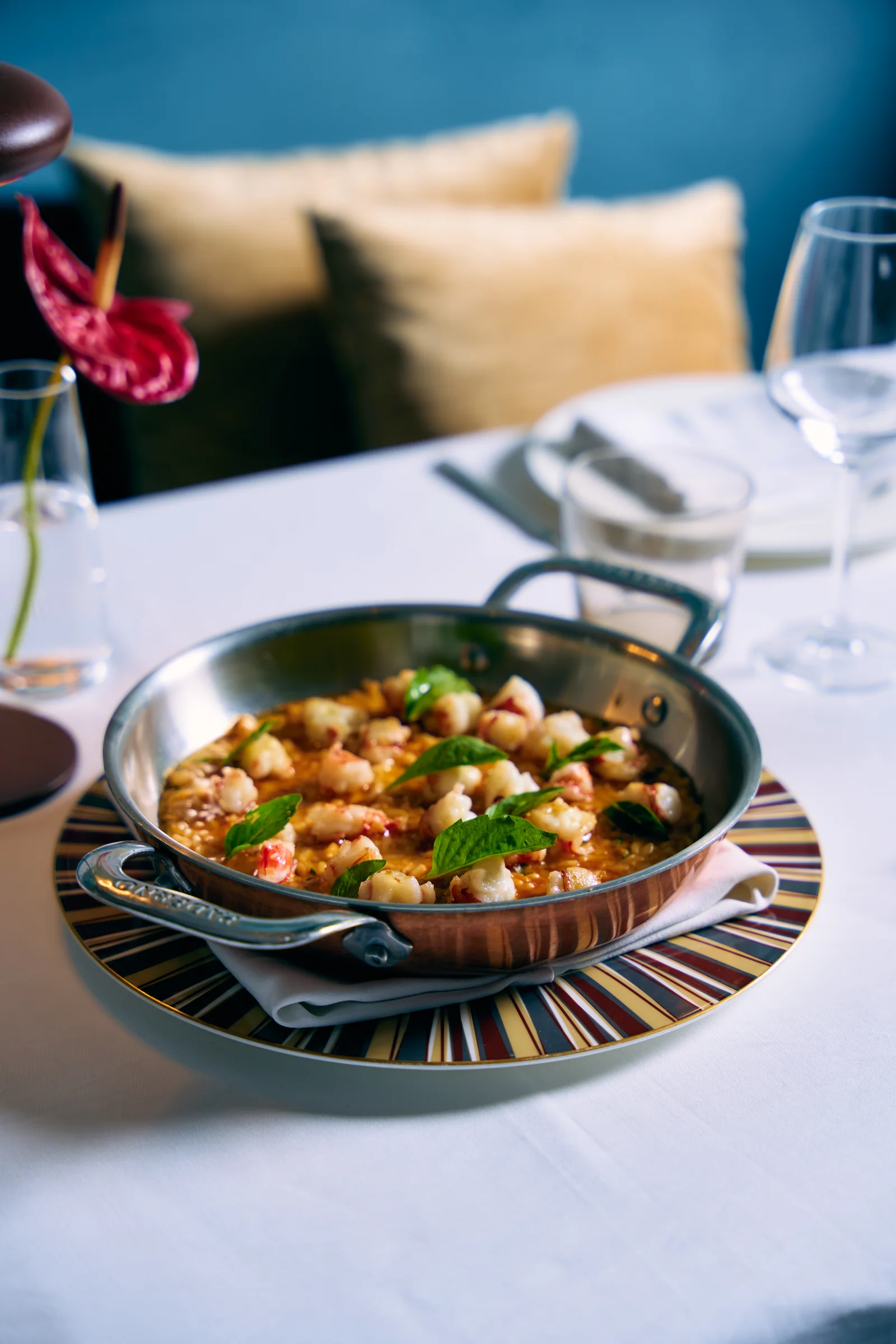
The sea of his childhood, set down in Muscat.
Giandonato Tafuri, Roberto’s Muscat
Tradition and Change
The Nerve to Look Again
Precision, he says, is non-negotiable; whatever direction a dish takes, it still has to be executed properly. The livelier argument is between tradition and innovation, and he refuses to treat respect as freezing a plate in time. Italian cuisine has never stopped evolving, and the chefs he admires are forever looking again at dishes everyone thinks they know.
What he will not compromise on is understanding a dish before reinterpreting it. Where does it come from, why do those ingredients belong together, what makes someone recognise it as Italian. Once that is clear, he says, the freedom follows: make it lighter, change a technique, rethink the presentation. Strip away everything that gave it its identity and you may still have something good, but it is probably something else.
The Kitchen
A Kitchen That Can Think
His mentor Francesco Guarracino taught him never to settle for good enough, and to carry that standard beyond the food to the room, the team and the business behind the kitchen. Working alongside chefs of the calibre of Enrico Bartolini showed him how much of excellence hides in details most people never notice, and how constantly the best keep observing, tasting and refining.
Leadership has changed him more than technique. As a young head chef he wanted to see and decide everything himself. He still likes control, he admits, but experience taught him that a kitchen which depends on him in every moment never grows. Now he explains more, hands over ownership, and builds a team that can think. Opening Roberto’s Doha taught him the rest: a restaurant begins at zero, and the real work is getting very different people to share a single idea of what it should become.
Muscat
A Quieter Register
Muscat wears a softer luxury than Dubai or Doha, and that, he says, is exactly the reference point he wants. Sometimes the luxury is an exceptional ingredient. Sometimes it is smaller: the table remembered, the dish brought back because someone loved it last time.
The Welcome
The Luxury of Being Remembered
Being remembered is its own form of luxury, he says, especially now, when so many polished experiences feel anonymous. He wants Roberto’s Muscat to feel sophisticated and warm at once, never distant, which is why the conversation between the kitchen and the floor matters to him as much as the cooking.
Oman reached him first through its coastline. Puglia and Muscat sit far apart, yet the importance of the sea and the generosity of the welcome felt familiar to a southern Italian. He wants those meetings of Omani and Italian ideas to enter the food naturally rather than as a story, the way La Rosa drew on the Damask roses of Jabal Akhdar through an Italian lens without pretending to be Omani cuisine. Where the restaurant goes next he would rather discover than decide, keeping an Italian soul while letting Muscat lend it a personality of its own.
Quick Fire
Seven Fast Answers
The ingredient he would never run out of. Fresh basil. He loves it everywhere.
A childhood dish he still cooks. Cavatelli ai frutti di mare. It takes him straight back to Puglia.
Puglia or the Gulf, the first thing to mind. The sea.
The most underrated ingredient in Italian cooking. Fresh dairy, especially mozzarella, burrata and stracciatella. When the quality is there, you barely need to touch it.
Always in his fridge at home. Cheese. Always.
The last thing he cooked just for himself. A simple aglio, olio e peperoncino.
A guest he would love to cook for. Piero Vitti, the restaurateur who first showed him fine dining at seventeen.
For Boujeez
There is a quiet argument in the way Giandonato Tafuri cooks. In a region where luxury often announces itself, he keeps returning to restraint: the ingredient left alone, the technique that hides its own effort, the guest remembered by name. It is a reminder that the finest hospitality is rarely the loudest, and that real refinement often lies in knowing exactly when to stop.