

People
Your Health History Belongs With You
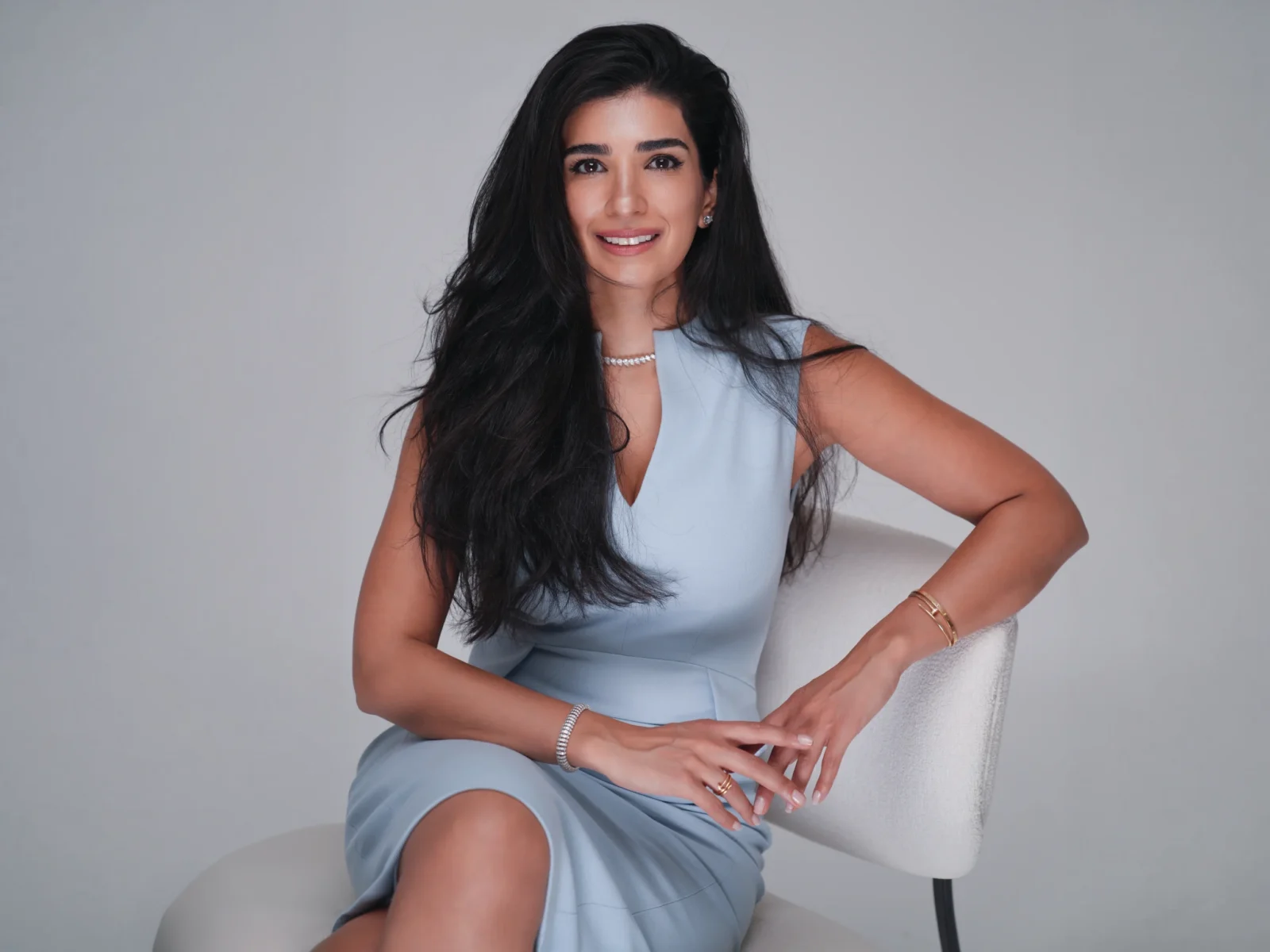
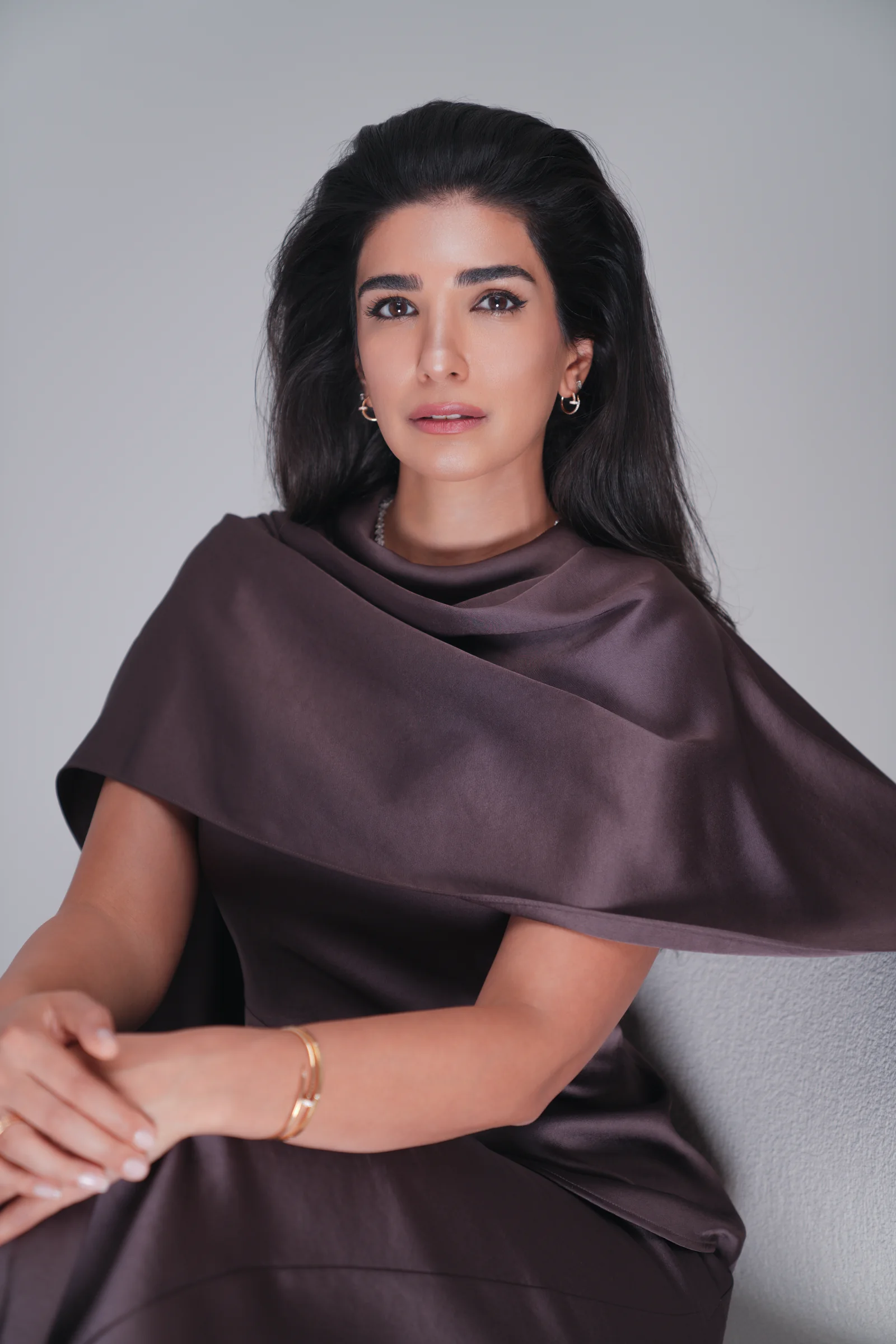
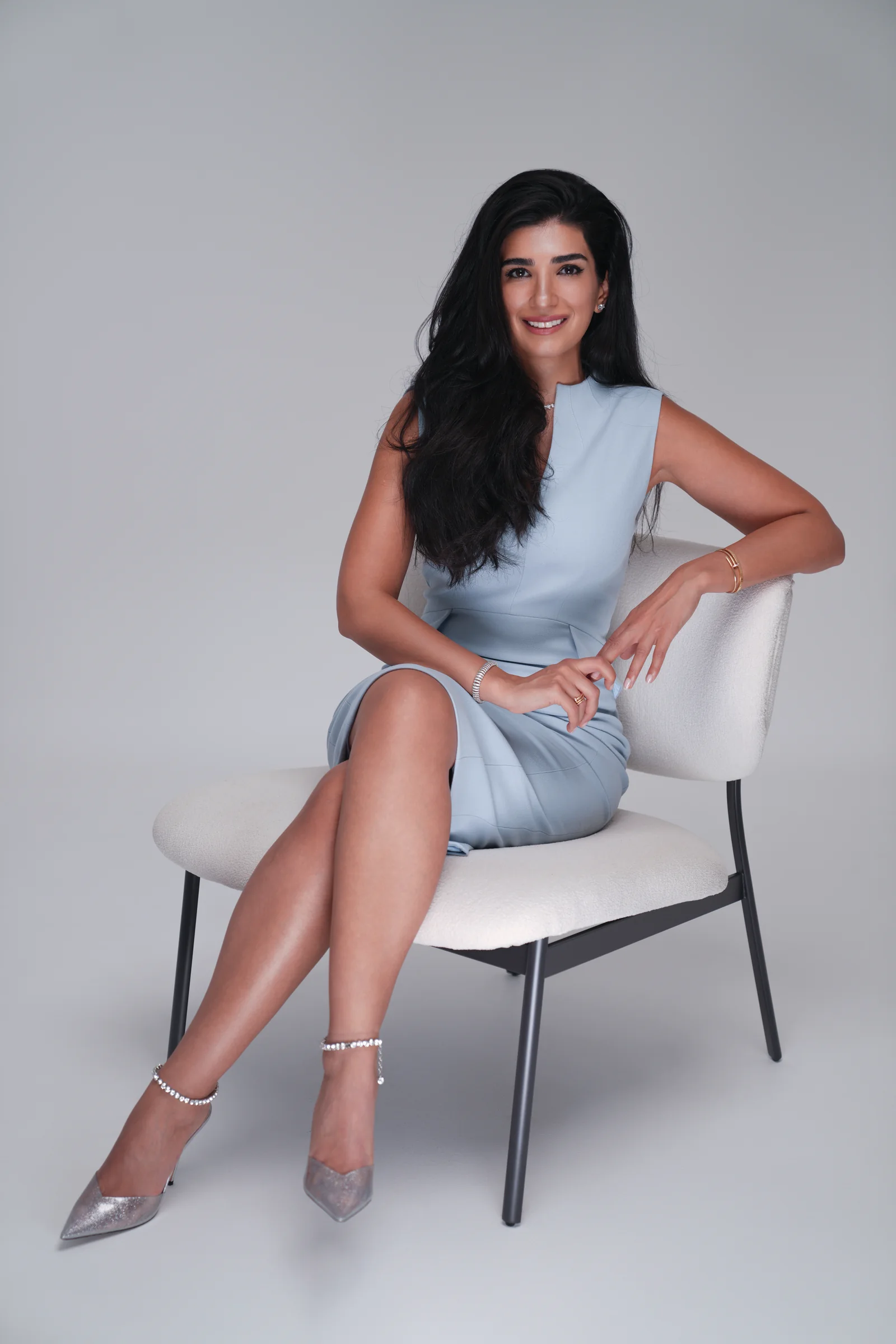
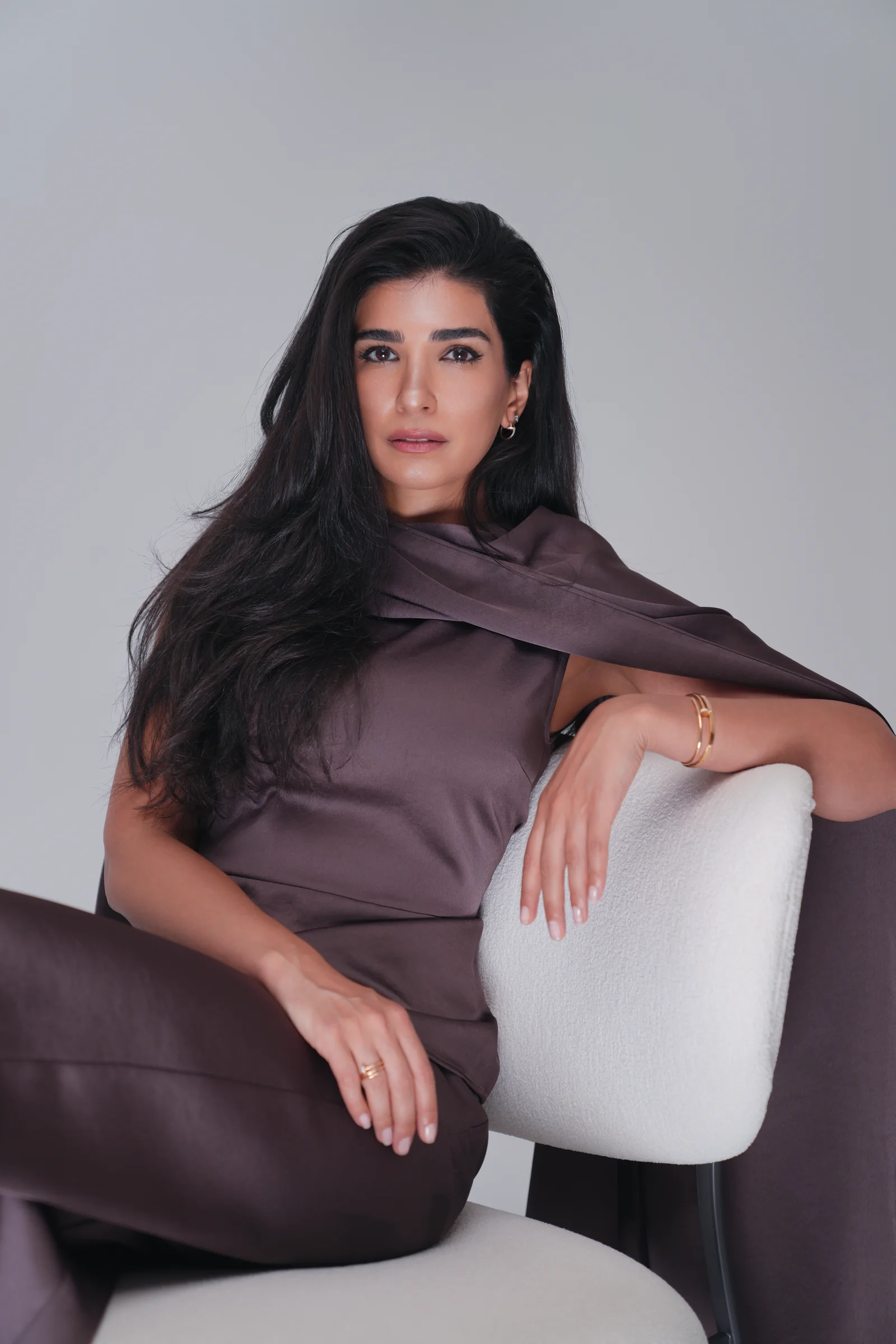
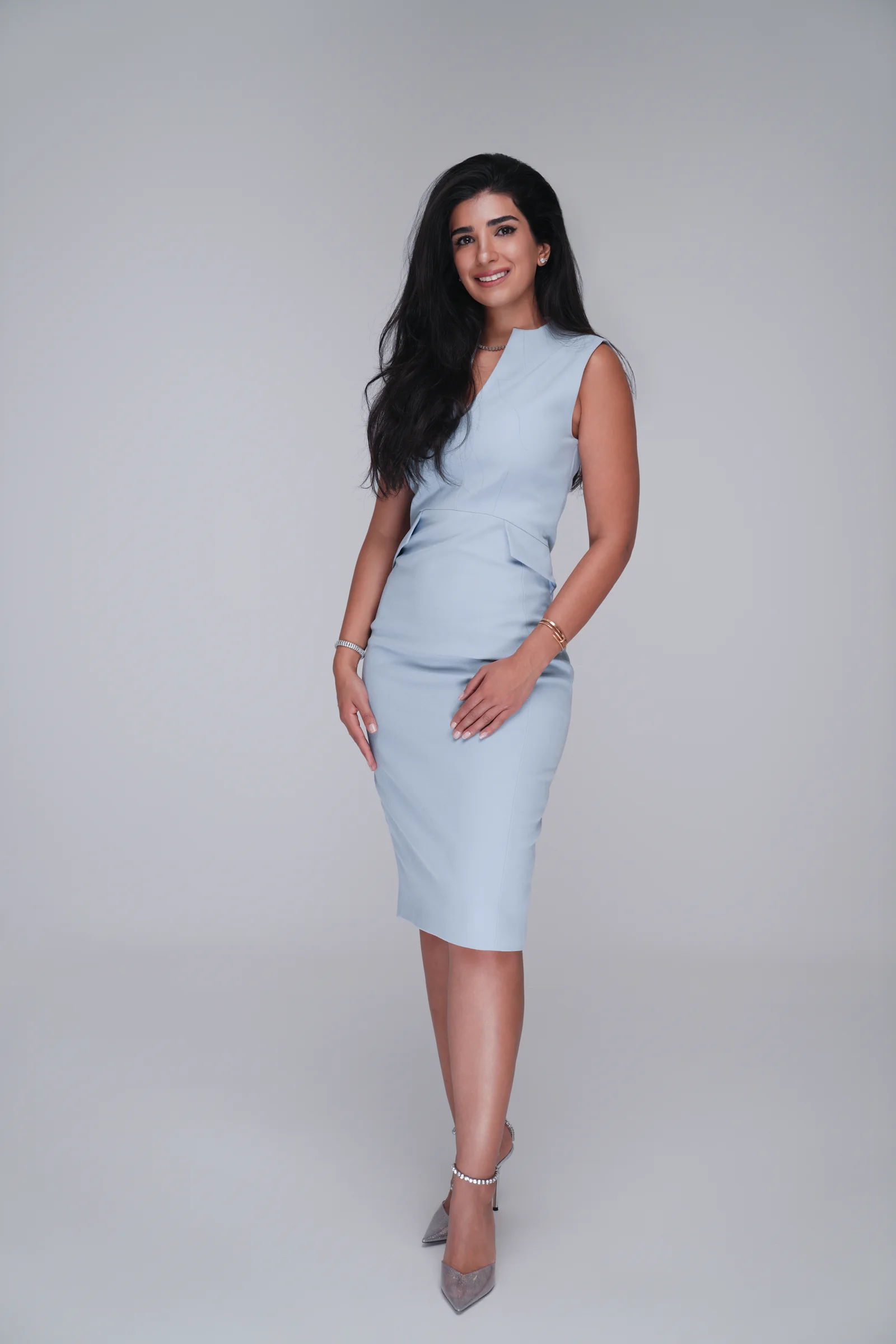
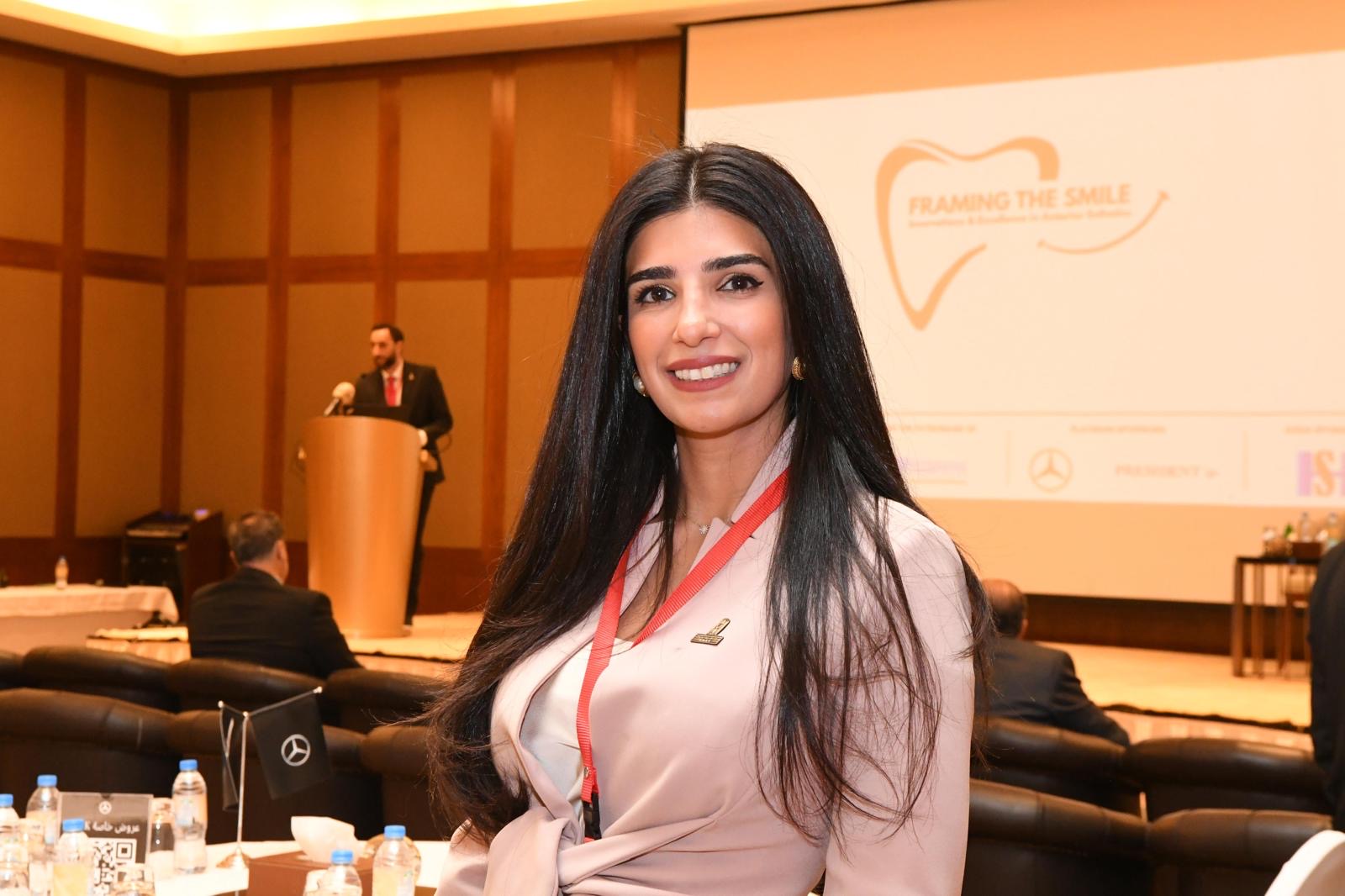
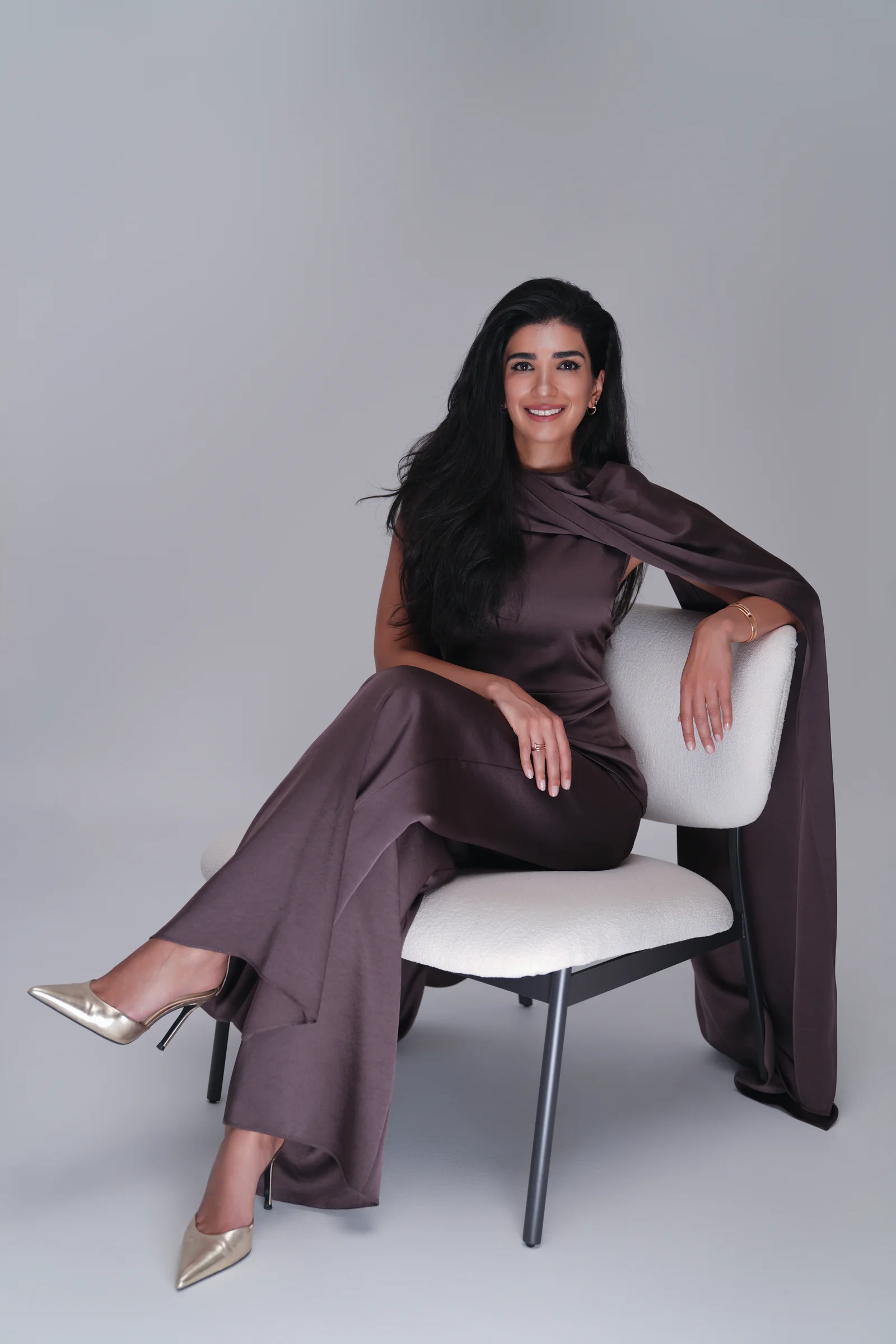
Most specialists spend a career perfecting a space of a few millimetres. Dr. Noor AlQabandi did that first, and then decided it was not enough. A Diplomate of the American Board of Prosthodontics, a distinction she notes fewer than fifteen clinicians hold in Kuwait, she reached the summit of one of the most demanding disciplines in dentistry before turning to a problem no single treatment plan could solve.
That problem was the system itself. Dr. AlQabandi, who also holds a Master of Public Health with a focus on global health, built ODONTYN, a digital health platform that connects patients with the right clinician and hands them ownership of their own medical history. She spoke to Boujeez from the narrow space she keeps for both the clinic and the company.
The Draw
Why Prosthodontics
She reached the top of one of dentistry’s most exacting specialties, then treated the summit as a starting point. What drew her to prosthodontics was its meeting of science, precision and human transformation.
The Long Road
A Rigorous Kind of Patience
Becoming a board diplomate demanded years of disciplined training, difficult cases and constant self-evaluation. There was no shortcut. It taught her, she says, that she was far more resilient than she once believed, and that mastery is not a destination. The more you learn, the more aware you become of how much there is still to understand.
Most specialists stay in the clinic. She went further. She kept seeing the biggest problems in the patient experience sitting beyond the reach of the dental chair, in the fragmented systems around it. She could keep helping one patient at a time, and she still does, but she also wanted to build infrastructure that could change how thousands, and eventually millions, of people experience care.
The Gap
Care, Hemmed In
Excellent clinical care, she kept seeing, was hemmed in by disconnected systems. Patients moved between clinics with no access to their own records, repeating histories, losing radiographs, starting again from zero.
The Record
It Belongs to the Patient
Health information shapes every decision made about a patient. When records are incomplete or scattered across clinics, continuity of care suffers, and the patient loses the ability to follow their own progress. Giving people access to their records, she argues, is not a convenience but a form of agency, and it matters most for families managing a child’s care, for those supporting elderly parents, and for anyone who moves between clinics, cities or countries.
Building the platform as a clinician rather than a technologist taught her quickly that the most sophisticated technology is useless if it does not fit naturally into the lives of the people meant to use it. Healthcare environments are human environments. The work, she says, is not adding features but reducing friction while protecting privacy, accuracy and the relationship at the centre of care.
The Body
Not an Isolated Structure
The mouth, she insists, is not an isolated structure. It reflects and influences the rest of the body, from inflammation and nutrition to sleep, confidence and how a person eats, speaks and ages.
Longevity
Function, Not Years
A healthy mouth is not simply a matter of attractive teeth. The ability to chew properly affects diet. Pain affects sleep and concentration. Tooth loss changes how a person eats, speaks and relates to others. Oral health, she says, both reflects and influences wider health, intersecting with inflammation, nutrition, diabetes, cardiovascular health and mental well-being.
That is also how she reads the word everyone is now using. Responsible longevity, to her, means preserving function, independence and quality of life rather than simply adding years. In dentistry it means prevention, early intervention and choosing treatments that respect biology rather than chase trends. True longevity, she says, is built through consistent habits and thoughtful decisions, and is rarely found in a quick fix.
The Route
Boston to Kuwait
Her platform began in Boston, pivoted to Dubai as the region’s digital infrastructure matured, and launched, unexpectedly, at home. Building in the Gulf, she says, asked above all for patience.
Building From the Gulf
Two Worlds at Once
The journey began in the United States, where she spent two years researching the problem from every angle. The work told her the Gulf was not yet ready and that Boston was the place to start, so she founded the company there. Then the UAE formalised its digital health infrastructure, and she pivoted to Dubai, reworking the platform to fit its policies and testing it through 2023 and 2024. A Kuwait beta she expected little from returned strong results and a demand to go further, which told her how quickly the public here had adopted technology, even where the health system had not yet caught up.
Doing both roles at once, she says, is the hardest part, because each deserves complete attention. Yet each strengthens the other. Clinical practice keeps her close to the real problems patients and teams face, while building ODONTYN pushes her to think beyond the single case. The discipline is protecting enough space to do both with integrity.
The Myth
Pain Is a Late Signal
The belief she would most like to retire is that you only visit the dentist when something hurts. Pain is a late signal. Prevention, not intervention, is what protects a life of function.
What Comes Next
A Record You Carry
In five years she wants ODONTYN to be a trusted, connected health ecosystem, beginning with dentistry and widening across specialties and borders, with a lifelong record that a patient owns and carries with them. Real success, she says, would not be measured in users or clinics, but in a patient arriving somewhere new and receiving safer, better-informed care because their history did not have to start again from zero.
To a young Gulf woman drawn to both medicine and building something of her own, her honest counsel is that she does not have to choose, but that doing both will ask more of her than she imagines. There will be rooms where she is underestimated and stretches where progress feels painfully slow. She should listen to advice, she says, without letting other people’s fear define the size of her ambition, and should choose a problem meaningful enough to sustain her when motivation alone runs out.
The Pull
Why She Keeps Going
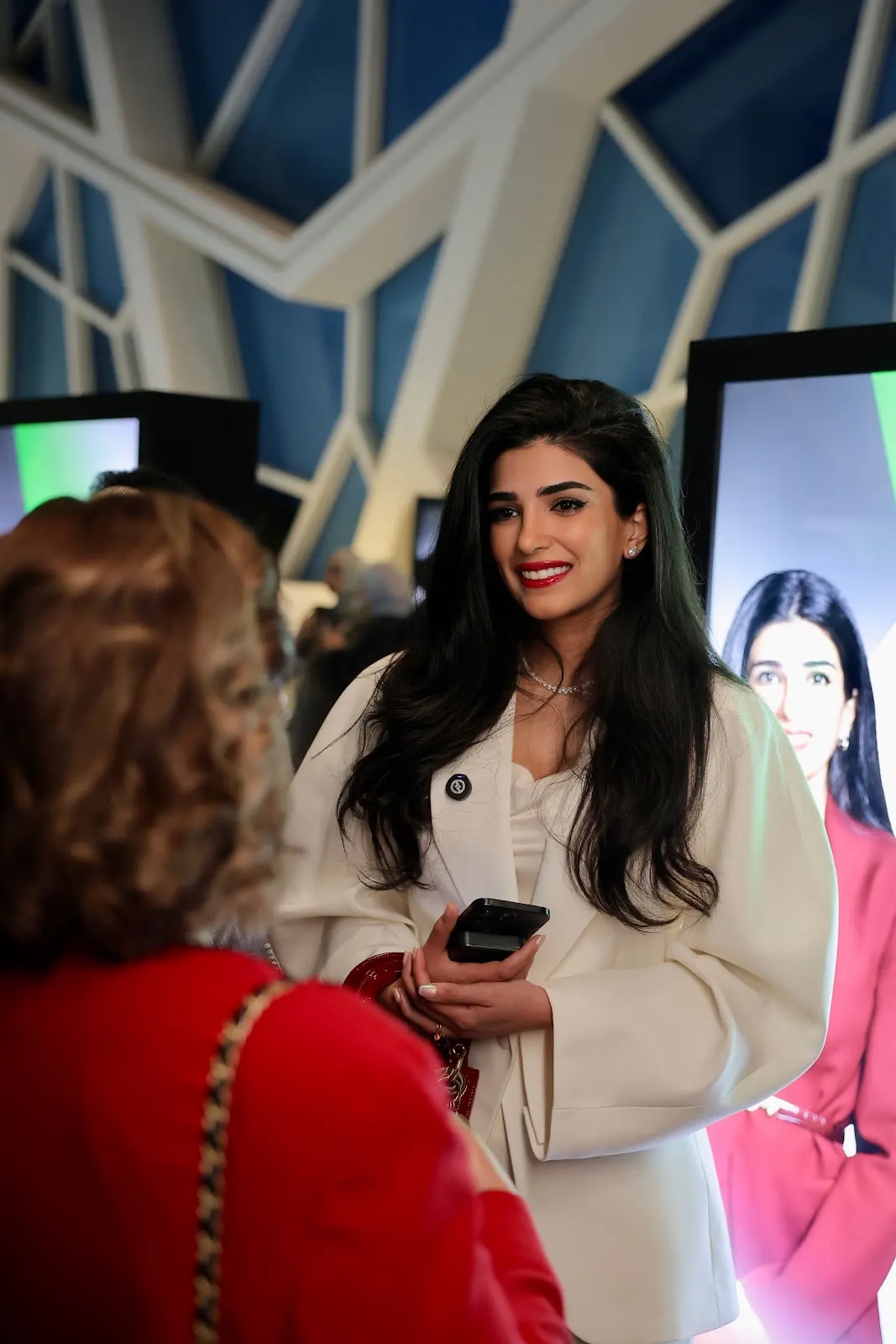
What keeps her returning to the work is the space between what healthcare is and what it could become, seen from both sides of it, the patient in the chair and the ones she may never meet.
Quick Fire
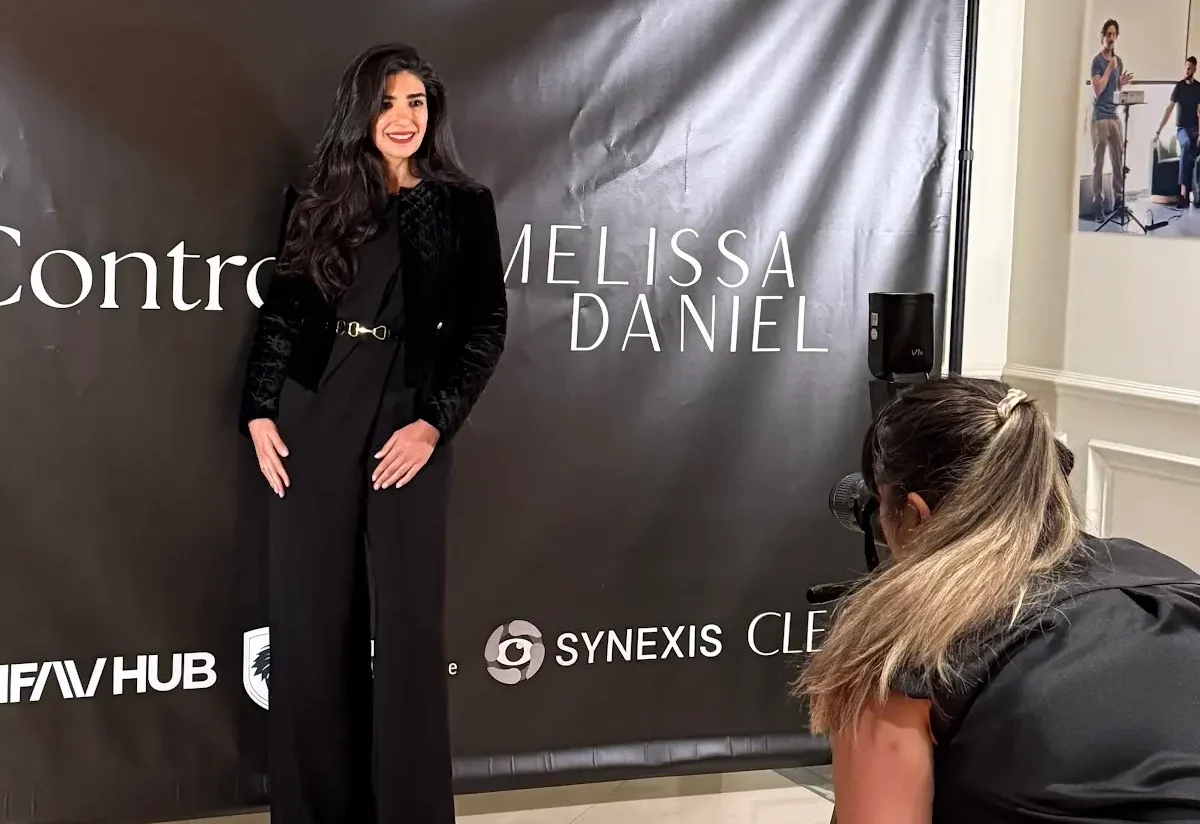
Six Fast Answers
The one habit that matters most for a healthy mouth. Consistency: effective brushing twice a day, and cleaning between the teeth.
A myth she wishes would disappear. That if it does not hurt, nothing is wrong.
Clinic day or building day. Clinic day grounds her, building day expands her. Forced to choose, building day.
The tool she could not work without. Her magnification loupes in the clinic, and her laptop everywhere else.
Innovation or tradition. Innovation, built on the lessons of tradition.
Longevity in a single word. Function.
For Boujeez
The quietly radical thing about Dr. AlQabandi is not that she reached the top of her specialty, but that she treated the summit as a place to begin. Real luxury, in health as in anything, is continuity: the sense that nothing essential about you is lost in transit, that your history travels with you, that the people caring for you are working from the whole picture. She has spent a career restoring what patients thought they had lost, tooth by tooth. Now she is restoring something less visible and just as easily misplaced, the thread of a person’s own story. It is a reminder that the finest work is rarely the loudest, and that the future of care may belong less to the dramatic intervention than to the quiet insistence that your health, and its record, were always yours to keep.