


People · Fashion · In Conversation
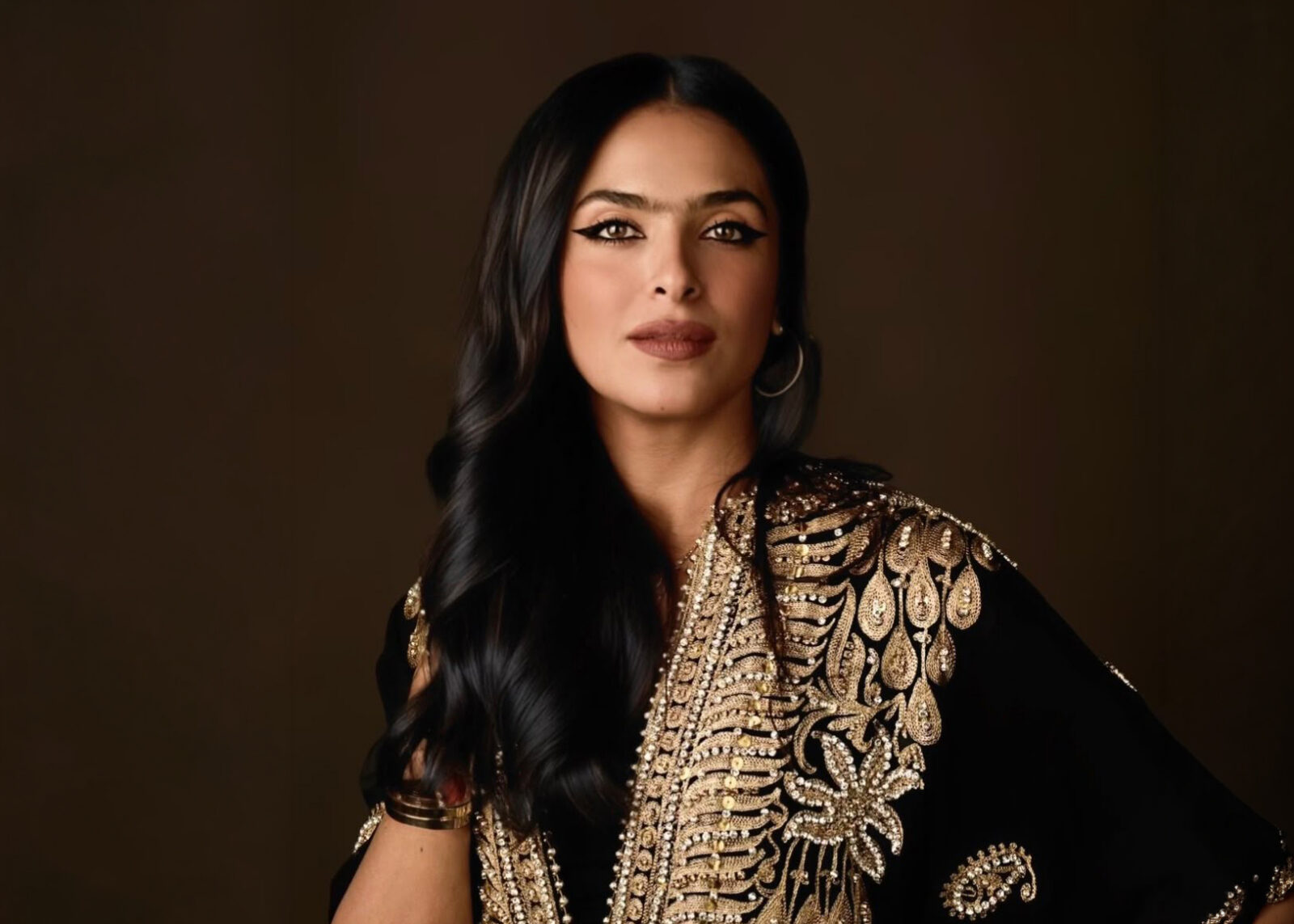
The Woman Who Made the Thoub a Couture Canvas
Farah Al Babtain, founder and creative director of Muhra, on twenty years devoted to a single garment, dressing Kuwait on the world stage, and why heritage is never allowed to stand still.
Muhra is an exclusive couture house founded in Kuwait in 2004 and devoted entirely to the Arabian thoub. Its founder and creative director, Farah Al Babtain, has spent more than two decades reinterpreting one garment through embroidery, symbolism and contemporary silhouette. Under her, Muhra dressed Kuwait’s female athletes for the Paris 2024 Olympics and the 2023 Asian Games, created a commemorative thoub for Kuwait Airways, and marked The Avenues’ twentieth anniversary with a single piece woven from the branding of its twelve architectural zones.
For Farah, the house has always been more than an atelier. “Muhra has always been more than a couture house,” she says. “It is a sanctuary for ideas. A place where memories become motifs, poetry becomes texture, architecture becomes silhouette, and the spirit of Arabia finds its voice through craftsmanship.”
The house
One Garment, Endless Expression
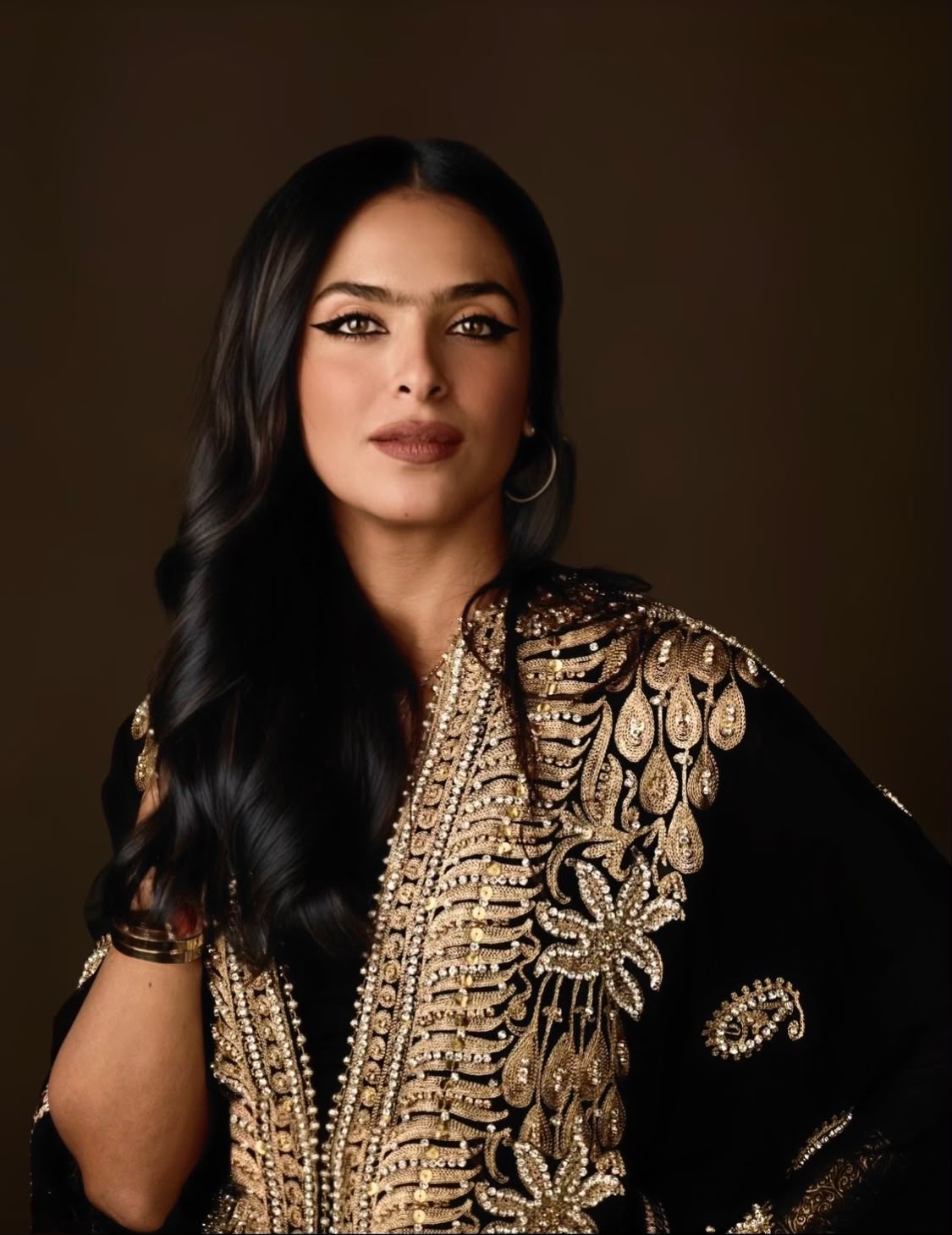
Muhra exists to celebrate one of the region’s most enduring garments through artistry, craftsmanship and contemporary design. “Every piece seeks to honour tradition,” Farah says, “while reminding us that heritage is never static. It continues to grow with every generation that chooses to reinterpret it.”
Why the thoub
A Garment With a History Before the First Stitch
“It is one of the rare garments that already carries a history before the first stitch is sewn,” Farah says. “It has accompanied our region’s women through celebrations, milestones and everyday rituals for generations. It belongs as much to memory as it does to fashion.” Its graceful proportions, she adds, allow endless artistic expression while preserving the elegance and dignity that have always defined it.
Two decades
What Grew, and What Never Moved
Over twenty years, Muhra has evolved in scale, ambition and artistic confidence. What began as an intimate creative vision grew into a house entrusted with commissions of national significance. The foundation never changed: “Every piece must have meaning, every detail must have purpose, and every garment should outlive the moment for which it was created.”
The work still holds her because it keeps revealing more. “Muhra remains a place of discovery,” she says. “Rather than looking for what is new, the process is often about uncovering what has always been there. Stories that deserve to be retold, symbols that deserve to be remembered, and traditions that deserve to be carried forward.”
The signature
A Recognisable Emotion, Not a Silhouette
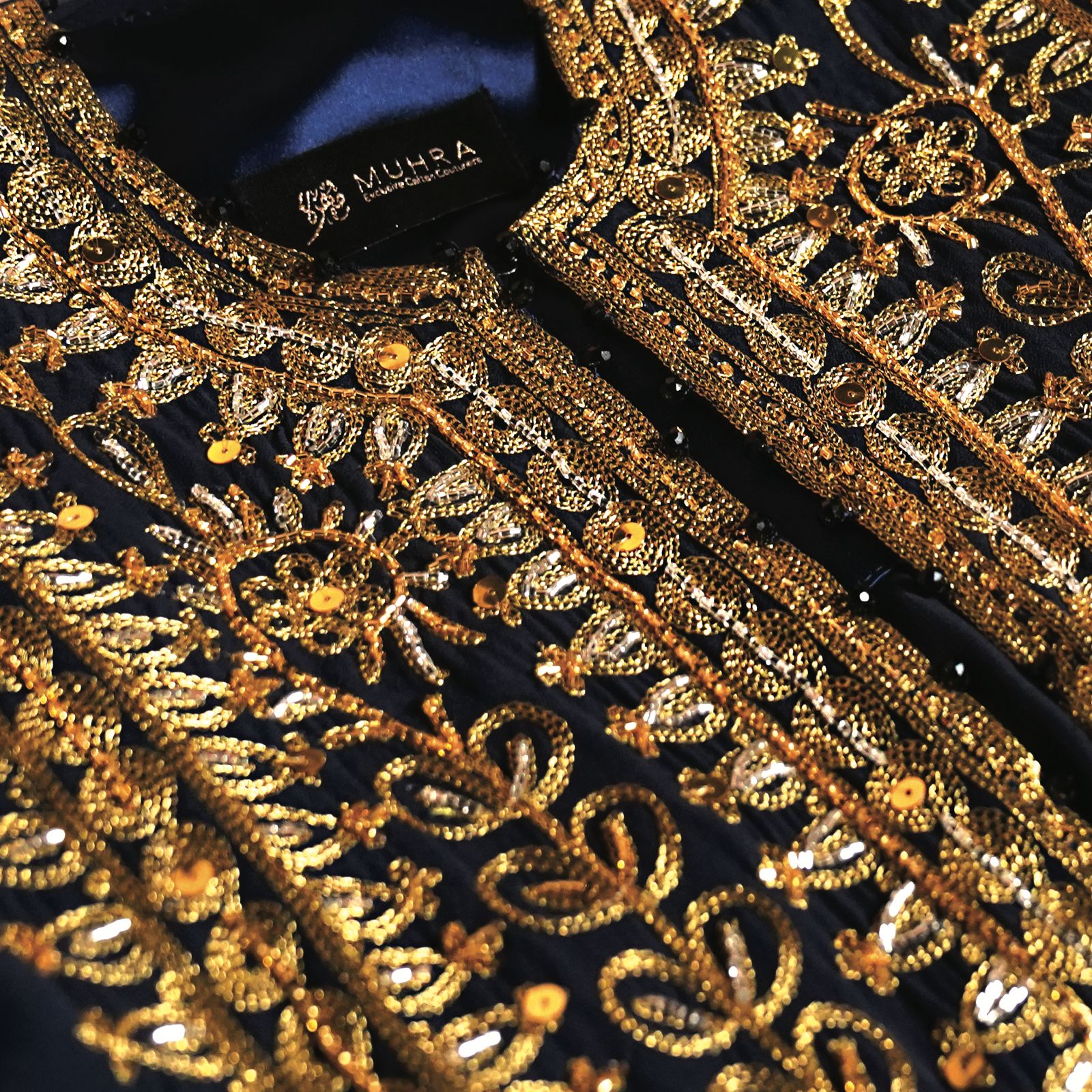
“Muhra’s signature is less about a recognisable silhouette than a recognisable emotion,” she says. “Embroidery is never merely decorative. It carries symbolism. Colours are chosen for what they evoke rather than how they appear. Every design is intended to reveal itself slowly.”
The starting point
It Rarely Begins With Fabric
“A collection may begin with a verse of Arabic poetry, the sound of an oud echoing through a courtyard, the geometry of old Kuwaiti architecture, or the stillness of the desert just before sunset,” Farah says. Those moments are never copied literally. “They become atmosphere. They influence colour, movement, texture and proportion until a feeling gradually becomes a garment.” The names follow the same logic. Collections such as The Series, Manayer, Assala and Yalwa “become the soul of the collection, the first chapter of the story it is about to tell.”
Who she designs for
Strength That Does Not Seek Attention
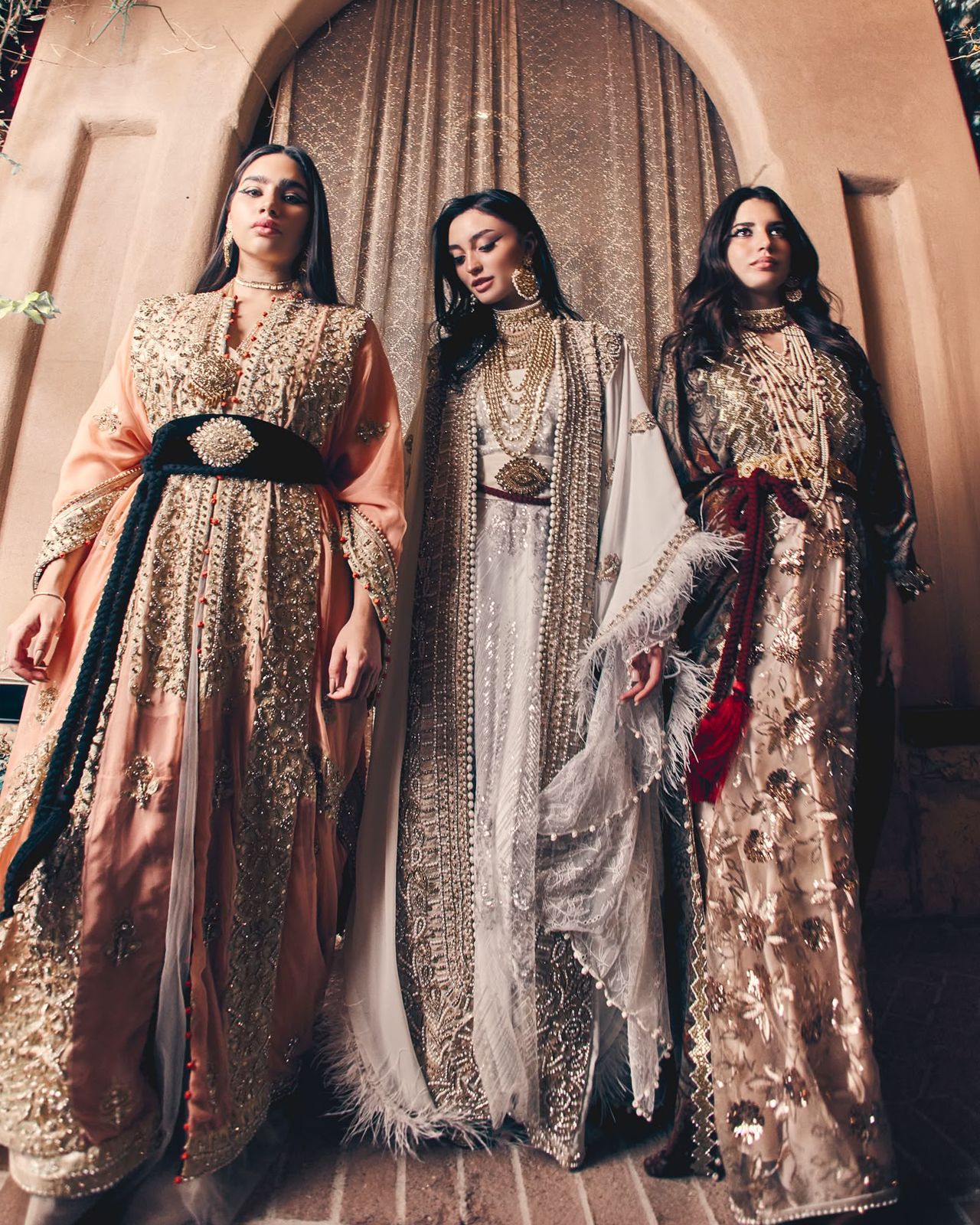
The Muhra woman “possesses a confidence that does not seek attention,” Farah says. “She carries herself with dignity, curiosity and quiet strength. She values beauty that has meaning and elegance that never needs to announce itself.” The house designs to reflect her, not to transform her, but to reflect the qualities she already possesses.
Tradition, in motion
Heritage Should Never Be Confined to Museums
“Heritage should never be confined to museums,” Farah says. “It should continue to breathe, evolve and inspire.” Muhra preserves the essence of tradition while letting silhouette, proportion and craftsmanship respond to the present. “Modernity is never introduced for its own sake. It emerges as part of the garment’s continuing story.”
Inside the atelier
Months of Thought Behind a Single Thoub
Every Muhra creation begins long before the first stitch. Ideas are explored through research, sketches and conversation before fabrics are chosen. Embroidery is developed thread by thread, embellishments are placed by hand, and every fitting refines the piece further. “What ultimately reaches the client represents not only hours of craftsmanship but months of thought, patience and exclusivity,” Farah says. Each thoub is one of one, which gives it a timeless sense.
The craft rests on artisans whose techniques Farah has refined and taught over decades, work that cannot be hurried. “In an age increasingly shaped by speed and automation, the house remains committed to preserving the human hand,” she says, “recognising that true couture is defined as much by patience as by skill.” The materials are chosen for depth rather than excess: soft silks against intricate metallic embroidery, only the highest quality of Swarovski crystals and vintage gold threads, “a richness that is felt before it is fully seen.”
On the world stage
When a Garment Carries a Nation
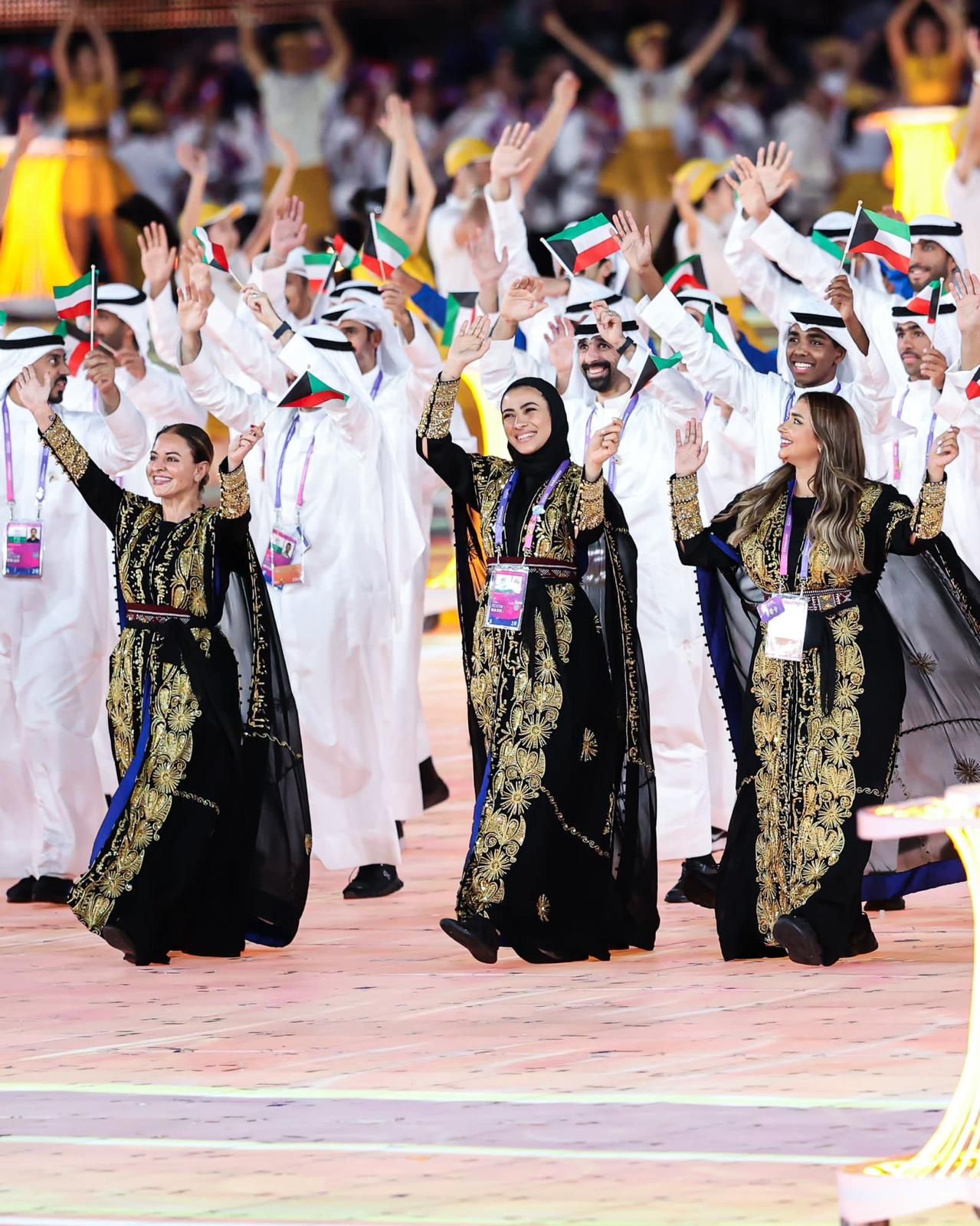
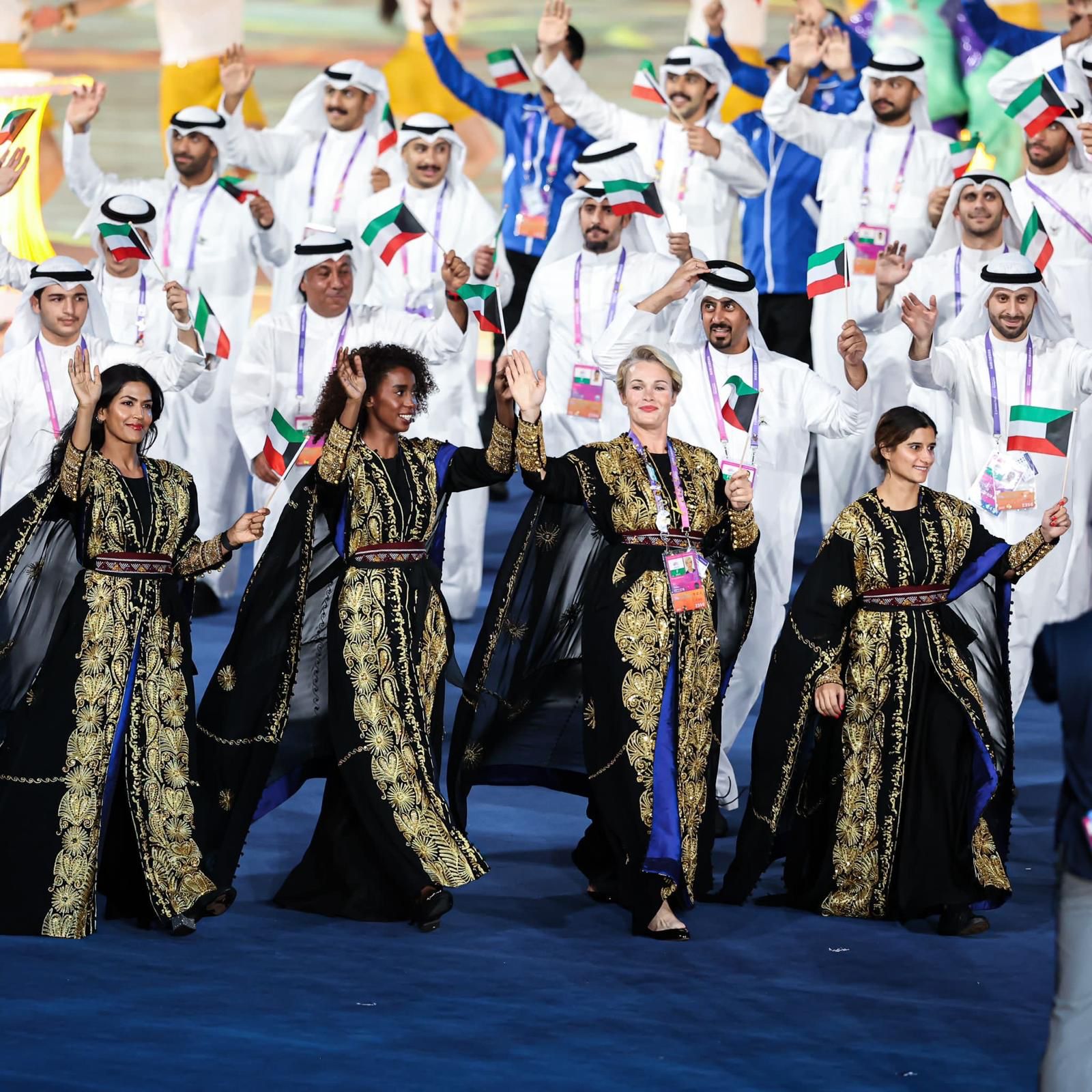
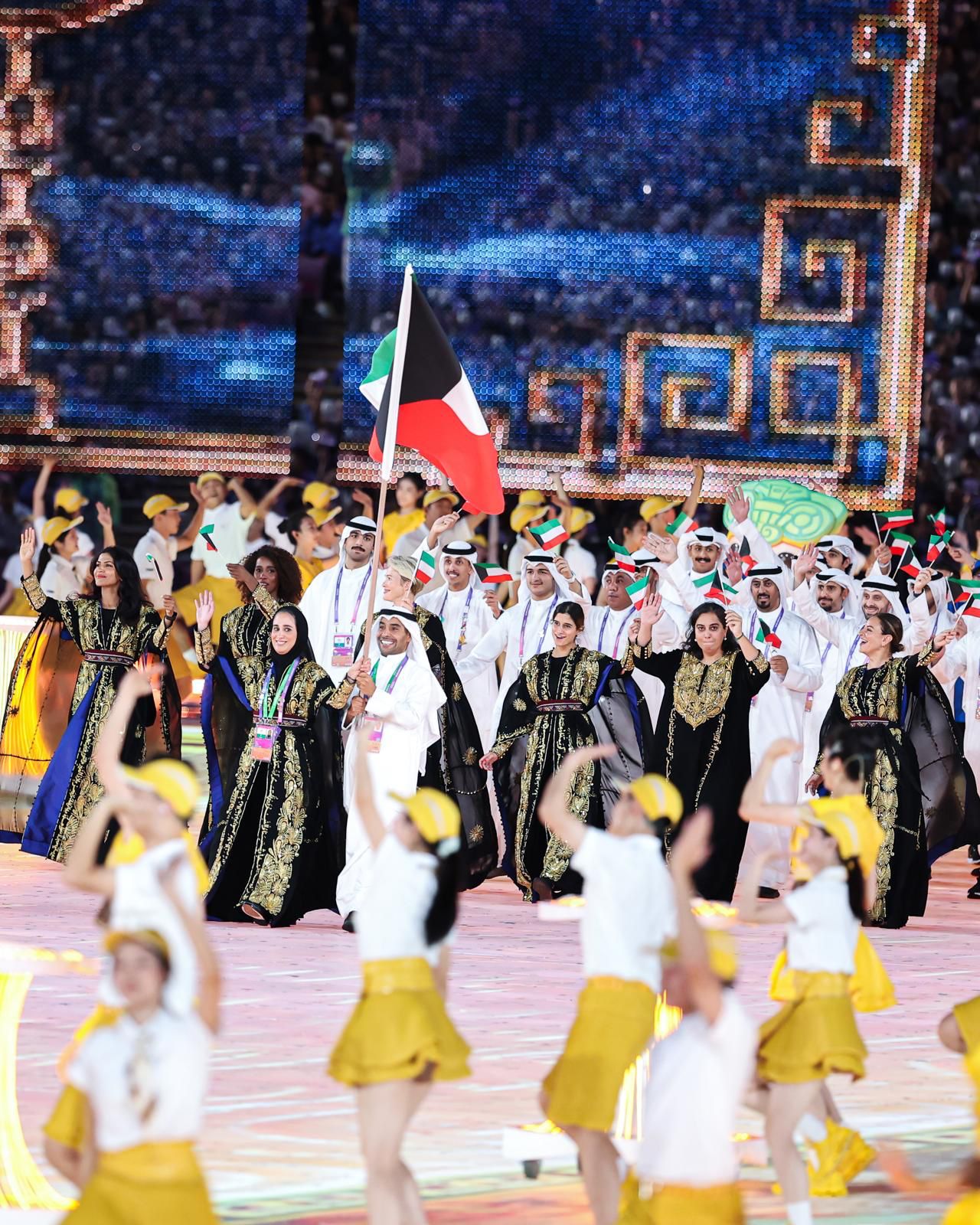
The commissions that changed the course of the house were the ones that asked it to represent Kuwait beyond its borders. Dressing the country’s female athletes for the Paris 2024 Olympics and the 2023 Asian Games was, Farah says, “a profound responsibility and an even greater honour. The garments were never intended simply as ceremonial attire. They became ambassadors of Kuwait.” Each detail carried the weight of representing the country’s heritage while celebrating the achievements of its women. “It was a reminder that fashion can become a language of national identity long before a single word is spoken.”
The same instinct shaped two very different commissions. For the Kuwait Airways thoub, the challenge was “never to place a logo onto tradition, but to allow heritage and brand to speak the same language,” embodying the elegance of travel while remaining unmistakably Kuwaiti. For The Avenues’ twentieth anniversary, Farah wove the branding of its twelve architectural zones into a single garment. “Rather than illustrating twelve districts individually, the design brought them together as one narrative,” she says, “transforming a familiar destination into a wearable work of art.”
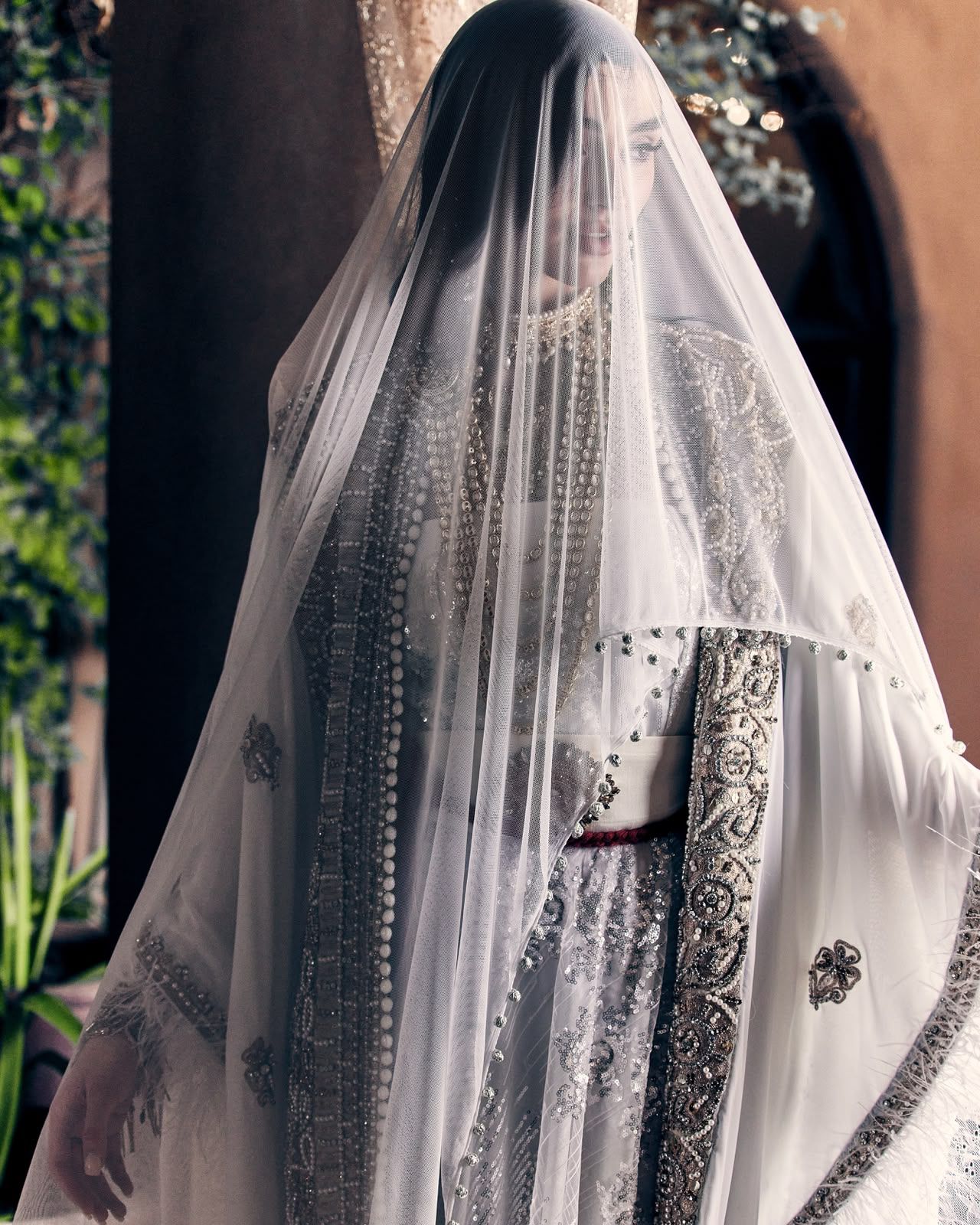
Storytelling is treated as part of the couture itself. The 30 Moons campaign was praised as much for its art direction as its clothes, and Farah sees that as the point. “The garment is only one part of the story. The photography, the setting, the music and the atmosphere complete the narrative. A collection should leave behind more than beautiful images. It should leave behind a feeling.”
The client
A Garment That Becomes Part of Her Story
The Muhra client “values meaning as much as beauty,” Farah says. “She is drawn to craftsmanship, individuality and pieces that feel deeply personal.” Whether she is marking a wedding, a national occasion or a defining private moment, “she seeks a garment that will become part of her story rather than simply part of her wardrobe.”
Its place in Kuwait
Participant and Custodian
Farah sees Muhra as both a participant in and a custodian of Kuwait’s creative scene, celebrating heritage while contributing to the country’s evolving landscape through fashion, art and cultural collaborations. “The ambition has never been simply to preserve tradition,” she says, “but to demonstrate that heritage can continue to inspire contemporary creativity and remain relevant for future generations.”
On luxury
The Luxury of Time
“Luxury is often mistaken for excess,” Farah says. “Muhra believes it begins with intention. It is the luxury of time, of craftsmanship that cannot be rushed, of details that may never be noticed by everyone but matter deeply to the person who wears them. True luxury is not measured by how loudly it announces itself, but by how long it continues to hold meaning.”
Muhra at a glance
House: Muhra, exclusive couture devoted to the Arabian thoub
Founder and creative director: Farah Al Babtain
Founded: 2004, Kuwait
Specialism: One-of-one couture thoubs, hand embroidery, symbolism-led design
Materials: Soft silks, metallic embroidery, Swarovski crystals, vintage gold threads
Notable collections: The Series, Manayer, Assala, Yalwa
Landmark commissions: Kuwait’s female athletes at the Paris 2024 Olympics and the 2023 Asian Games, the Kuwait Airways thoub, The Avenues 20th-anniversary thoub, the 30 Moons campaign
The next chapter
Telling Arabian Stories in New Ways
The house’s next chapter will build on its relationship with culture, art and heritage through new collaborations, exhibitions and international projects. “The ambition is not simply to reach new audiences,” Farah says, “but to continue telling Arabian stories in new and meaningful ways.”
What she wants remembered is simple. “Muhra has never been solely about creating beautiful garments. It is about preserving emotion, memory and identity through craftsmanship. Every thoub leaves the atelier carrying a story, but it is only completed when another woman wears it and makes it part of her own. In that sense, every Muhra creation is not the end of a story. It is the beginning of another.”
Why One Garment Can Hold a Whole Region
For Boujeez, Muhra is a lesson in what happens when a designer refuses to treat heritage as nostalgia. Farah Al Babtain took the most familiar garment in the Gulf wardrobe and, instead of modernising it into something unrecognisable, spent twenty years proving it could carry poetry, architecture, national identity and a nation’s athletes without losing its dignity. That is the quiet argument the region’s best design is now making: that the most contemporary thing a house can do is understand exactly where it comes from.
The real luxury here is not the crystal or the gold thread. It is the patience to make one garment mean something, and the confidence to let it reveal that meaning slowly.
Discover more from the Gulf’s design houses at boujeez.com.