


People, Culture
Lujain Abulfaraj Builds Universes Out of the Arabic Alphabet
The Saudi designer who traded fifteen years in branding to make Arabic something a child runs toward, not away from.
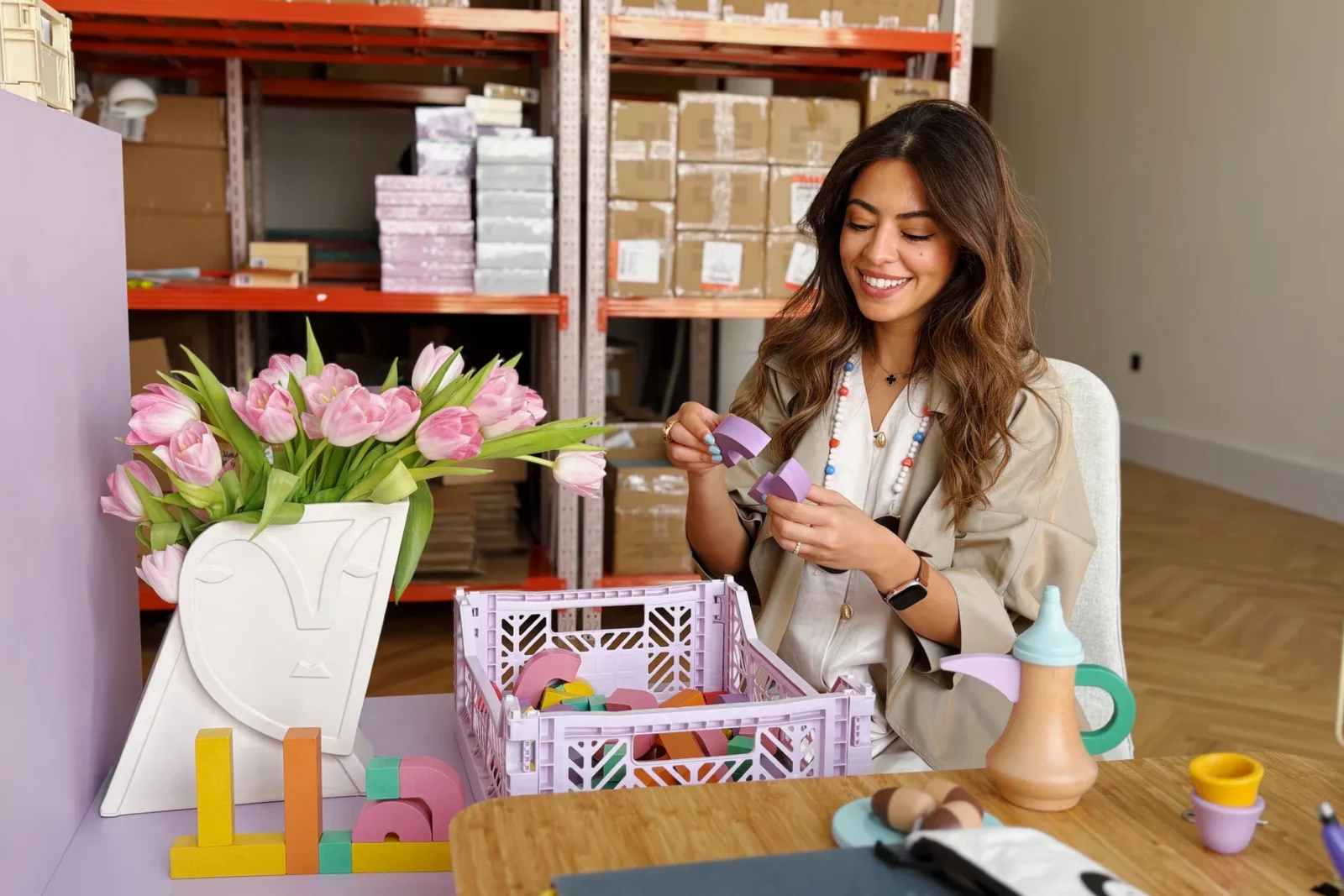
It began with a phone call: her son, crying before his Arabic class. What started as a small parenting problem became, once Lujain Abulfaraj looked closer, a mission. The reluctance was not her son’s alone. It was spreading across the Arab world, a generation drifting toward English and away from its mother tongue. She decided to meet it with the tools she had, design and a deep love for children and the Arabic language. The result is Akwan.
Akwan means universes. The name came from children themselves, from the way they imagine, and from the whole world she is convinced lives inside each of them. She spoke to Boujeez about turning letters into play, designing with children rather than for them, and raising a generation that is global in reach and rooted in who it is.
The Idea
Not a Lesson, a Language Every Child Already Speaks
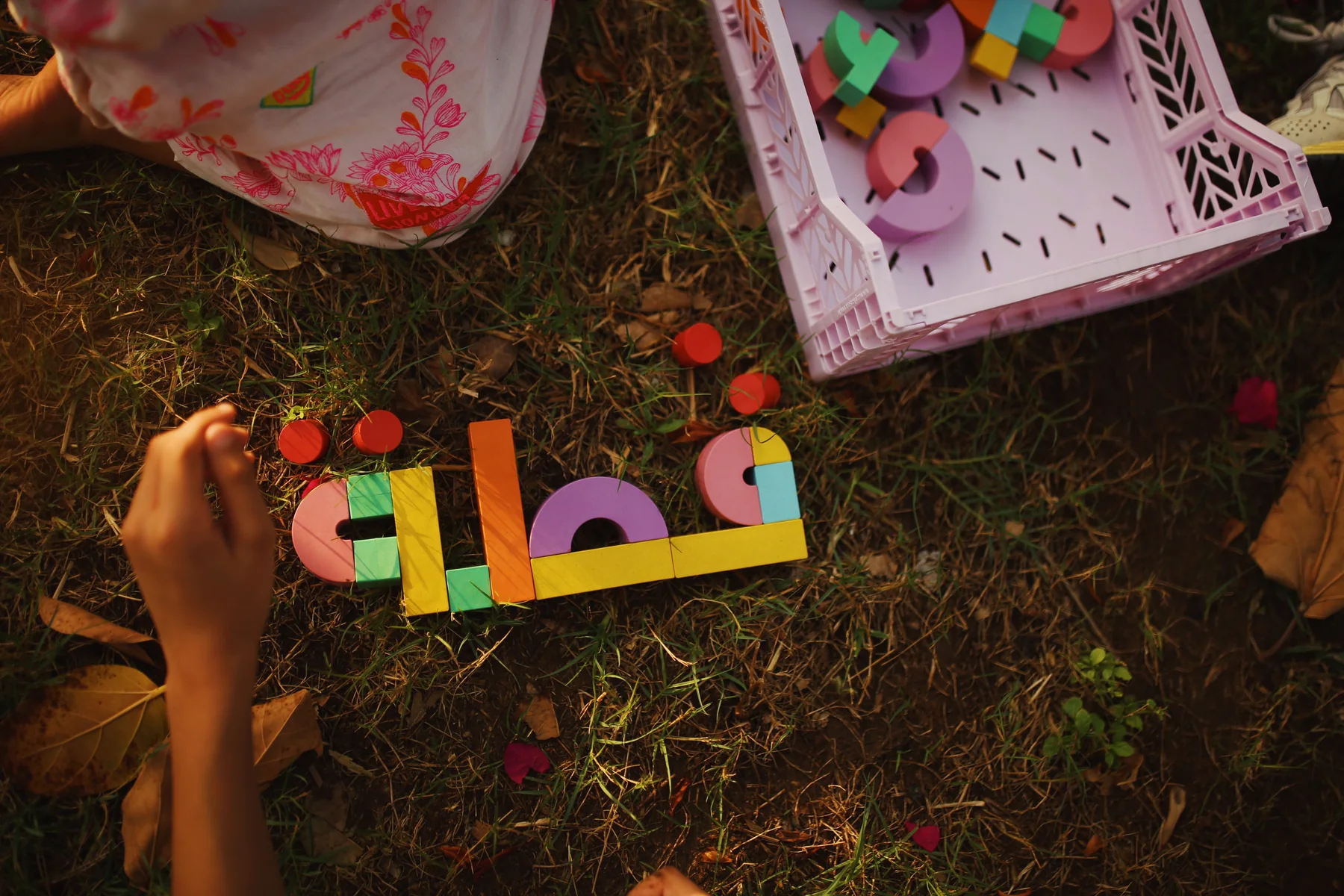
Akwan is not about teaching Arabic, she is careful to say, nor about correcting a bad image of it. It is about presenting Arabic in the one language every child already speaks, which is play. For years, she felt, Arabic learning products were built around assumptions about how children like to learn. Akwan begins somewhere else. The ideas start with children and develop through their hands, through how they actually pick up a piece and turn it into something. They sit at the centre of every decision she makes.
Turn a Letter Over
Akwan begins with play. Tap a block.
The Maker
Brainstorm Like a Child, Refine Like an Engineer
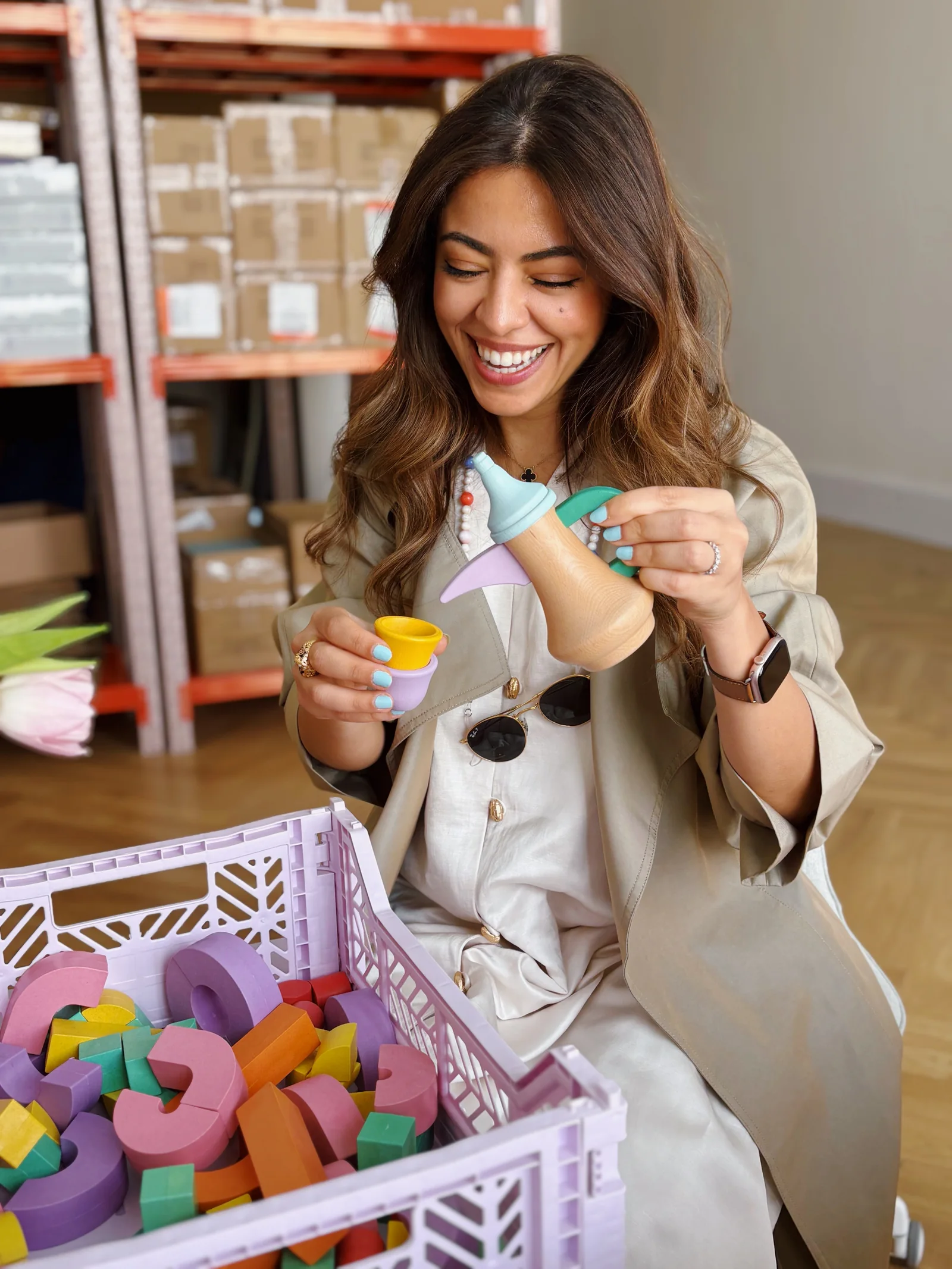
She brings her own inner child into every design session, she says, then refines like a meticulous engineer. She loves objects with many possible outcomes and endless ways to play, room for curiosity, ownership and trial and error, so it feels less like a lesson and more like a game.
The Craft
A Lesson That Never Feels Like One
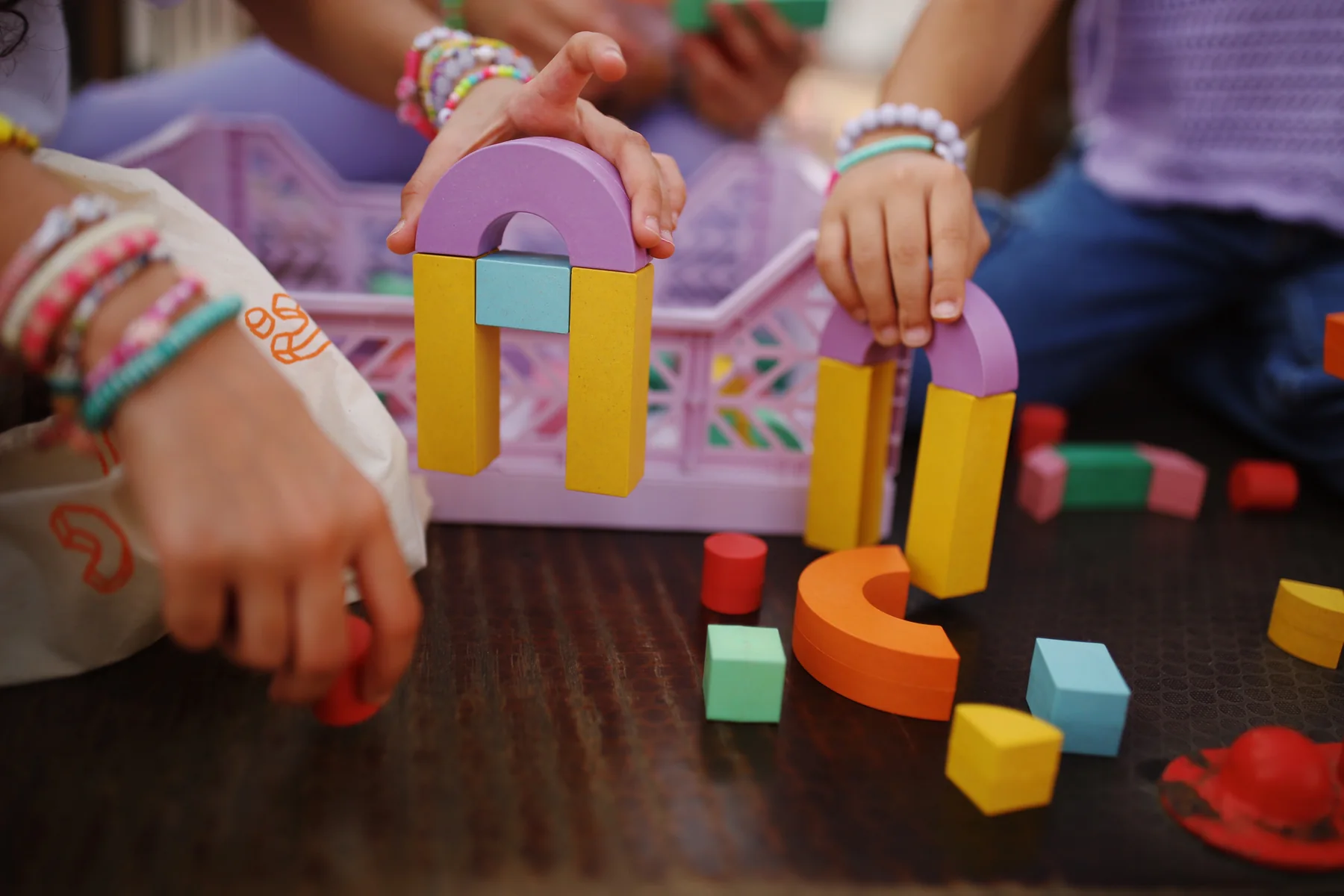
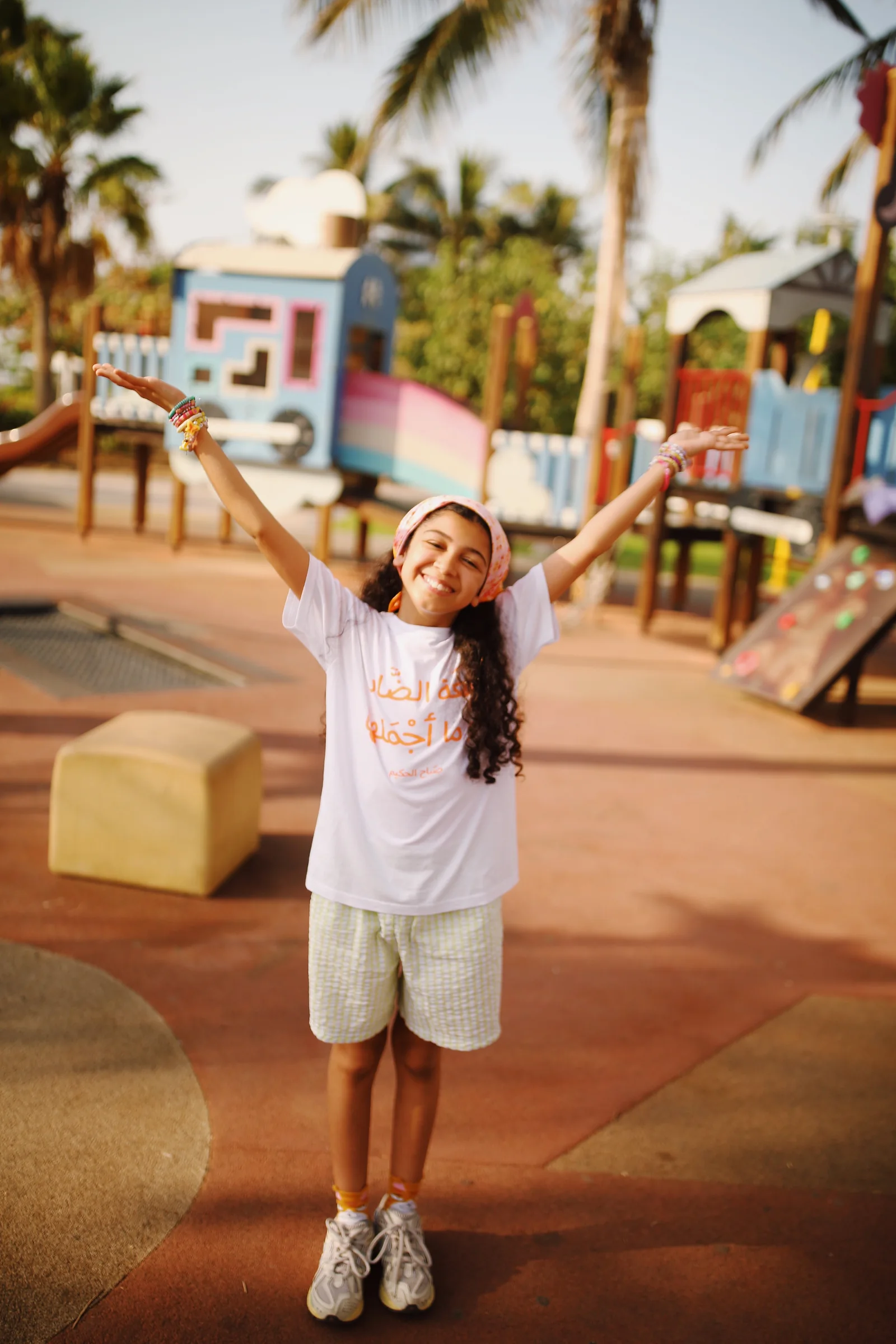
Turning a letter into a slide, or a word into a playground, is a bold leap, and making it work is harder than it looks. A piece has to be beautiful, functional and genuinely loved by a five-year-old, and she adds three more demands: it must be safe, eco-conscious, and loved by adults too. She does not believe in shortcuts. For a small studio, research and development can take a long time until a product is right, which is why she is so protective of the work.
Koun, Malaab, Dhad, Takween. Each product, she says, holds a small part of what she wants to say, and no single one can hold all of it. Every piece is designed from scratch with love, care, quality, and ehsan, the pursuit of excellence for its own sake.
The Current
Global in Reach, Rooted in Identity
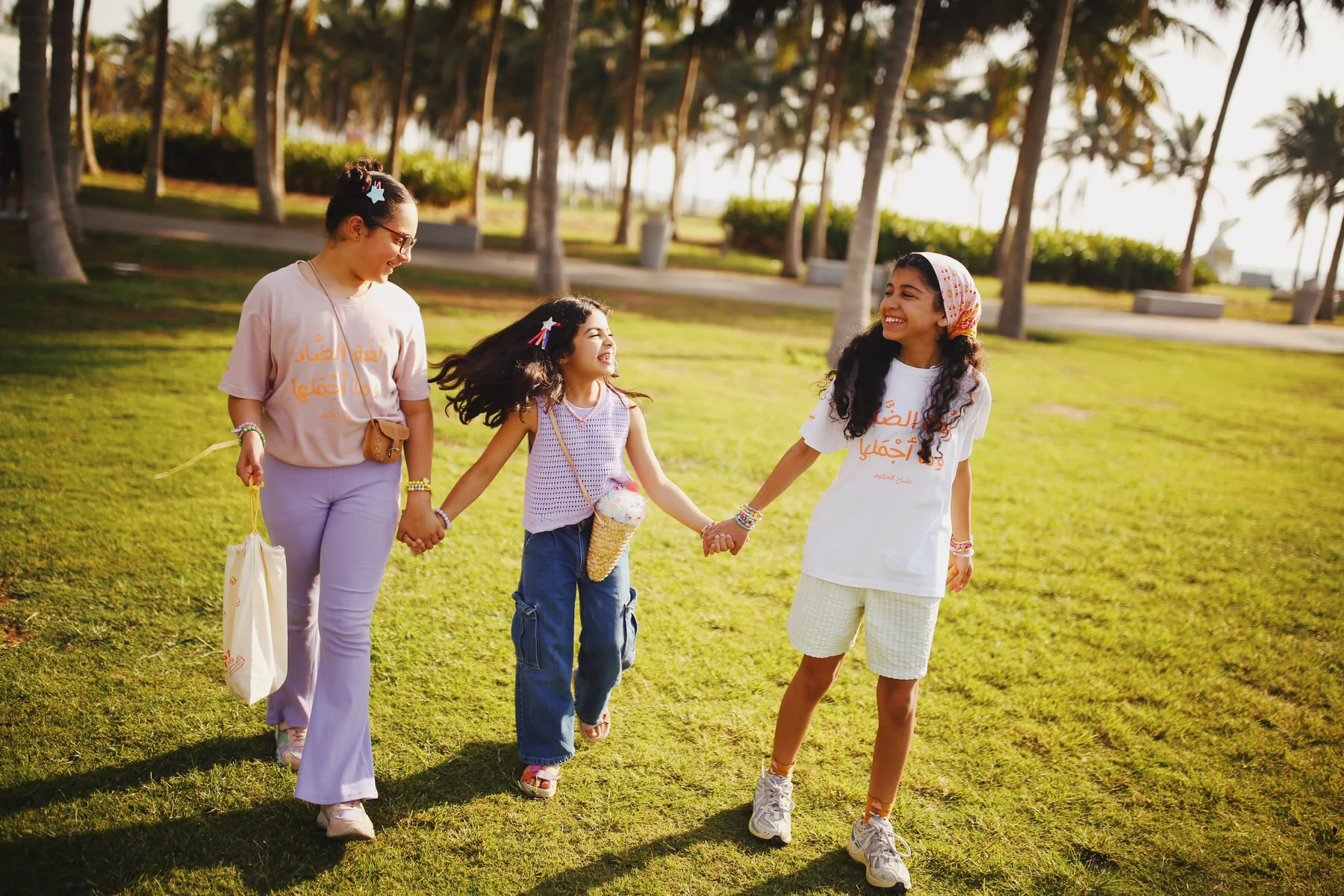
The goal was never to raise children who speak only Arabic. She wants them to learn English, Mandarin, French, as many languages as their hearts desire, but never at the expense of their mother tongue. The aim, she says, is global citizens who are deeply rooted in their identity and their values.
The Designer
Where Industrial Design Meets Arabic Type
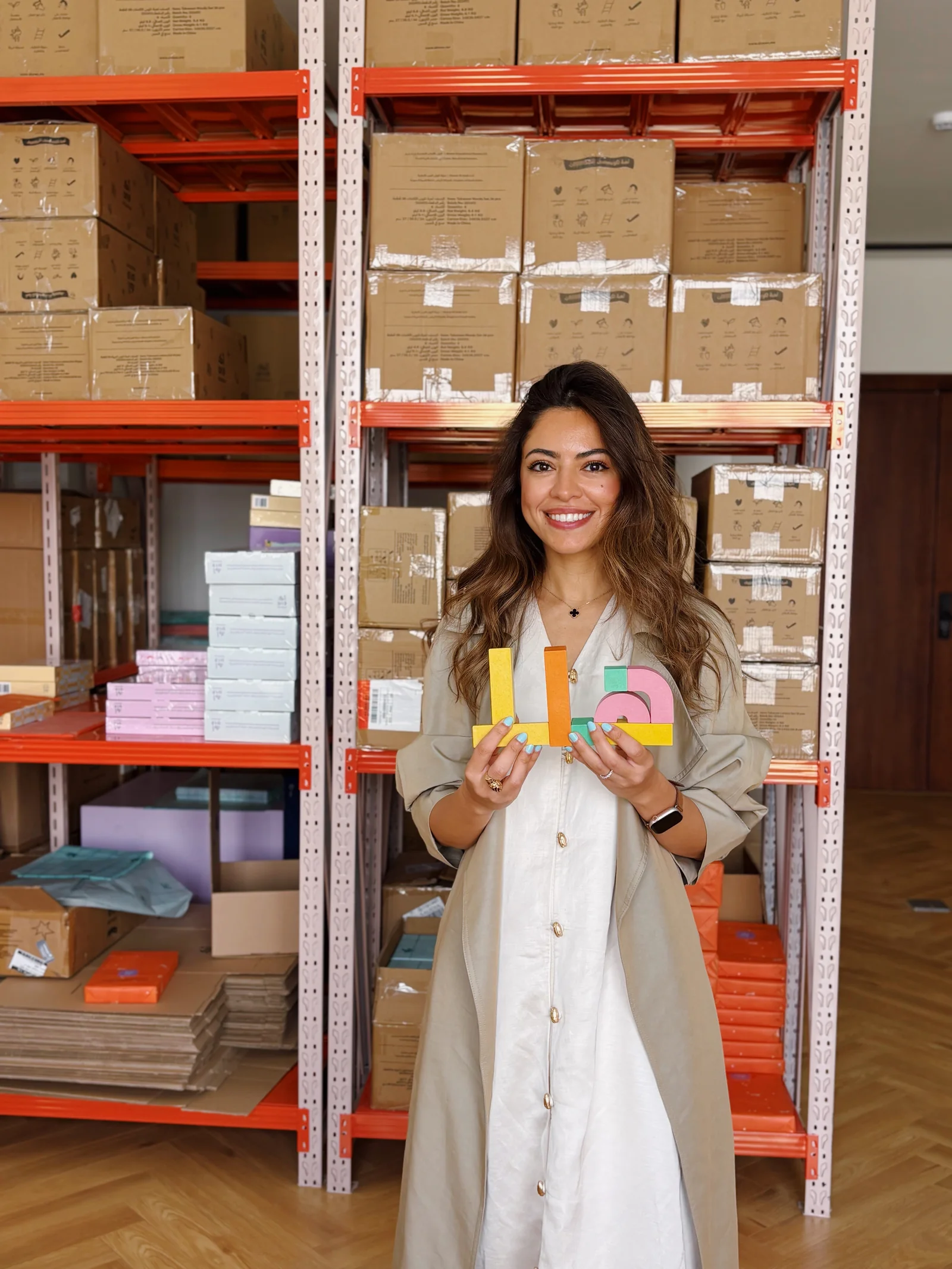
Before Akwan there were fifteen years in branding, and she carries those lessons openly. Strong brands, she learned, are intentional about every detail; they design experiences that evoke a specific feeling, stay authentic, and keep the person they serve at the centre. Her work now lives where industrial design meets Arabic typography, a place where a single object has to satisfy a typographer, an engineer, a safety standard, and a delighted child all at once.
Board and Business
A Designer, Not Only a Service
She sits on the board of Saudi Arabia’s Industrial Design Association at a moment when the Kingdom’s creative scene is changing fast. Saudi designers, she says, are no longer seen only as service providers. They are becoming founders and decision-makers, shaping culture and industry rather than simply supplying it.
Business and Movement
A Company Built to Serve a Purpose
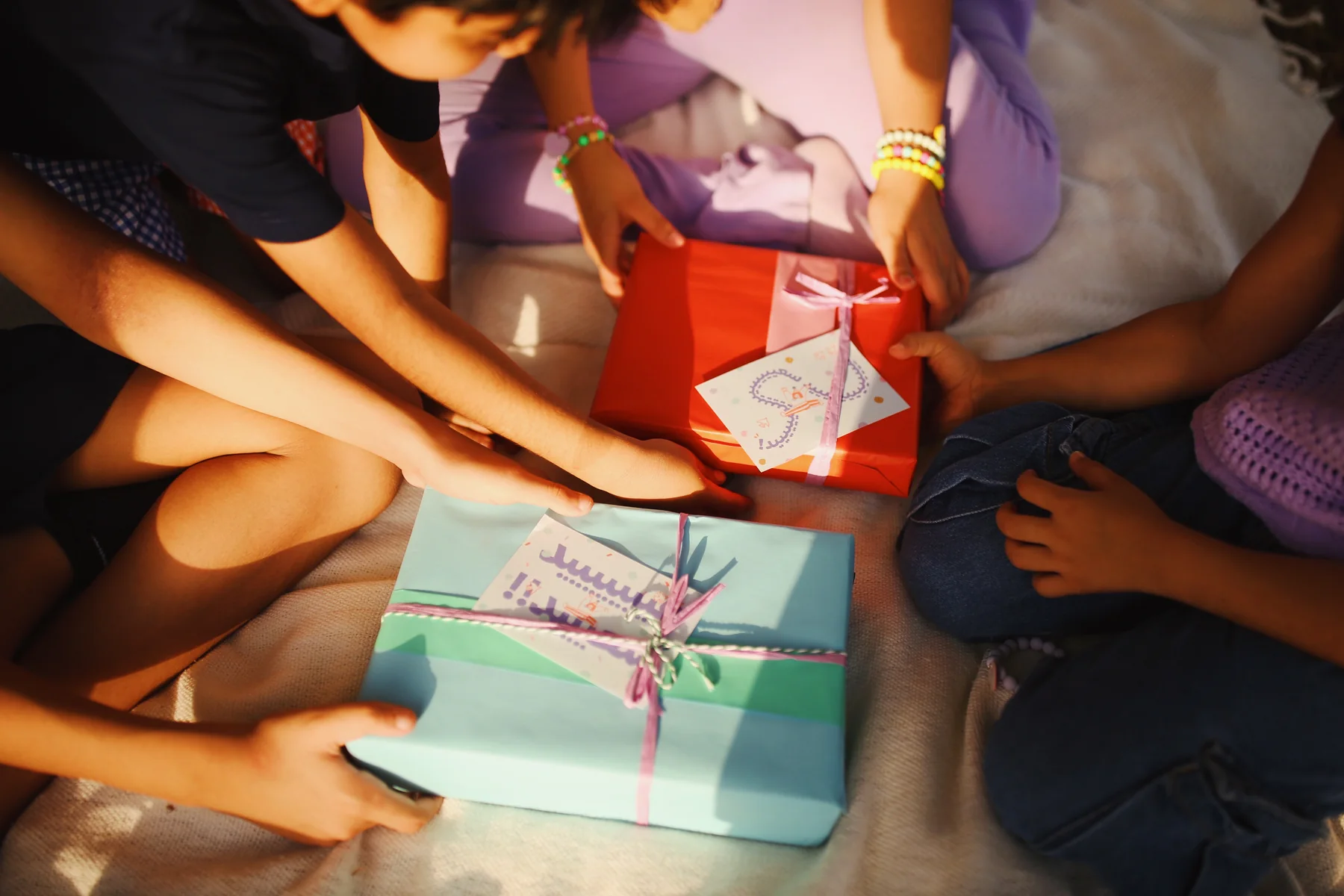
Akwan is both a business and a social movement, and she does not accept that the two pull against each other. The whole company, she says, is built to serve a larger purpose. That purpose guides the business, and the business funds the mission. Carving out space for an idea that fit no existing category was difficult; people like to put you in a box, and sometimes, she says, you simply have to build your own. There is real support in the Gulf, she adds, for businesses built with intention and vision.
The Object
Made From Scratch, With Ehsan
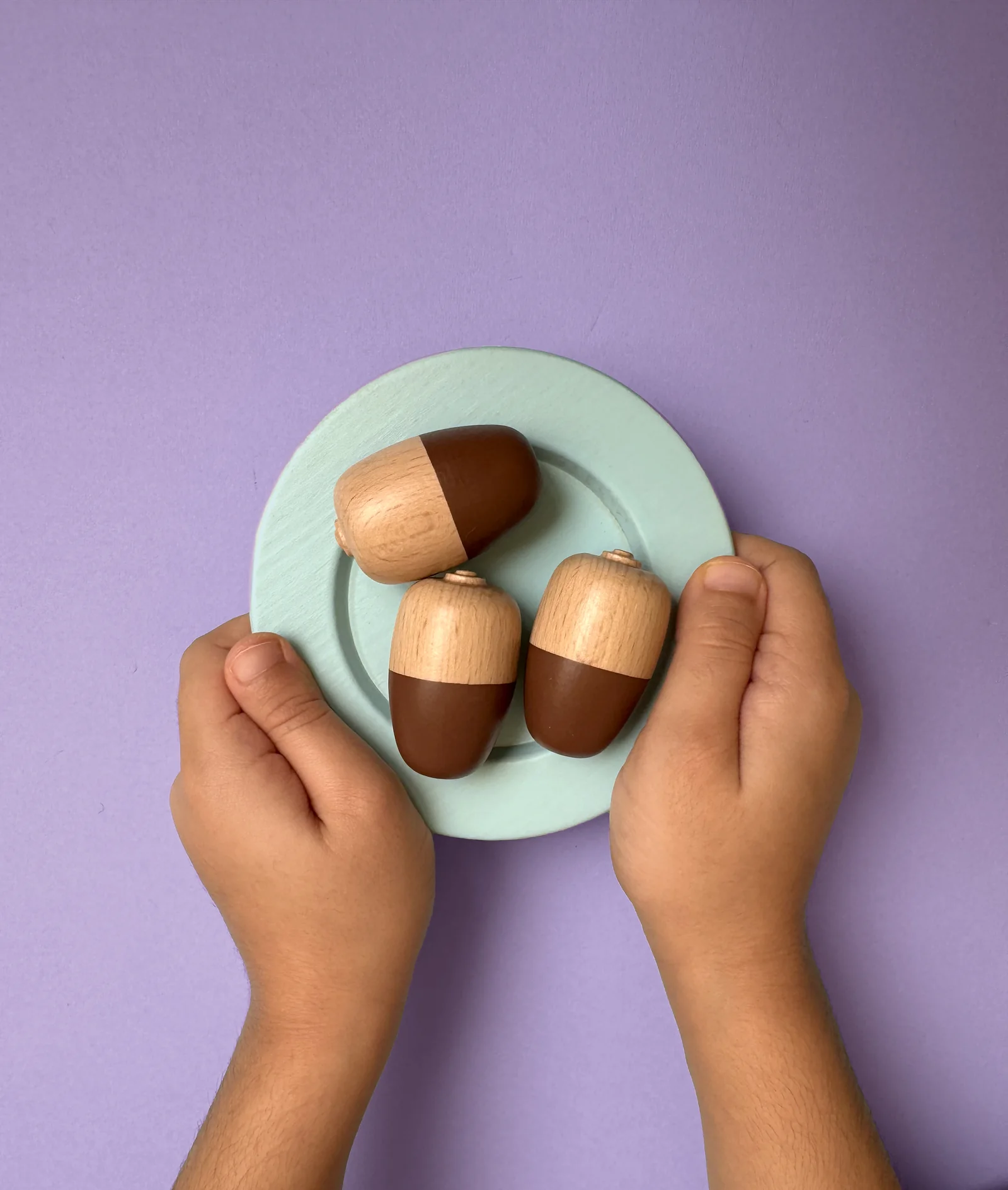
Nothing is bought in and rebranded. Every piece is developed from nothing, held to safety and environmental standards, and finished with the care the word ehsan carries. Sometimes that means a set built around a familiar ritual of hospitality, so that heritage arrives in a child’s hands as a game.
The Mother
Her Children, Her Reason
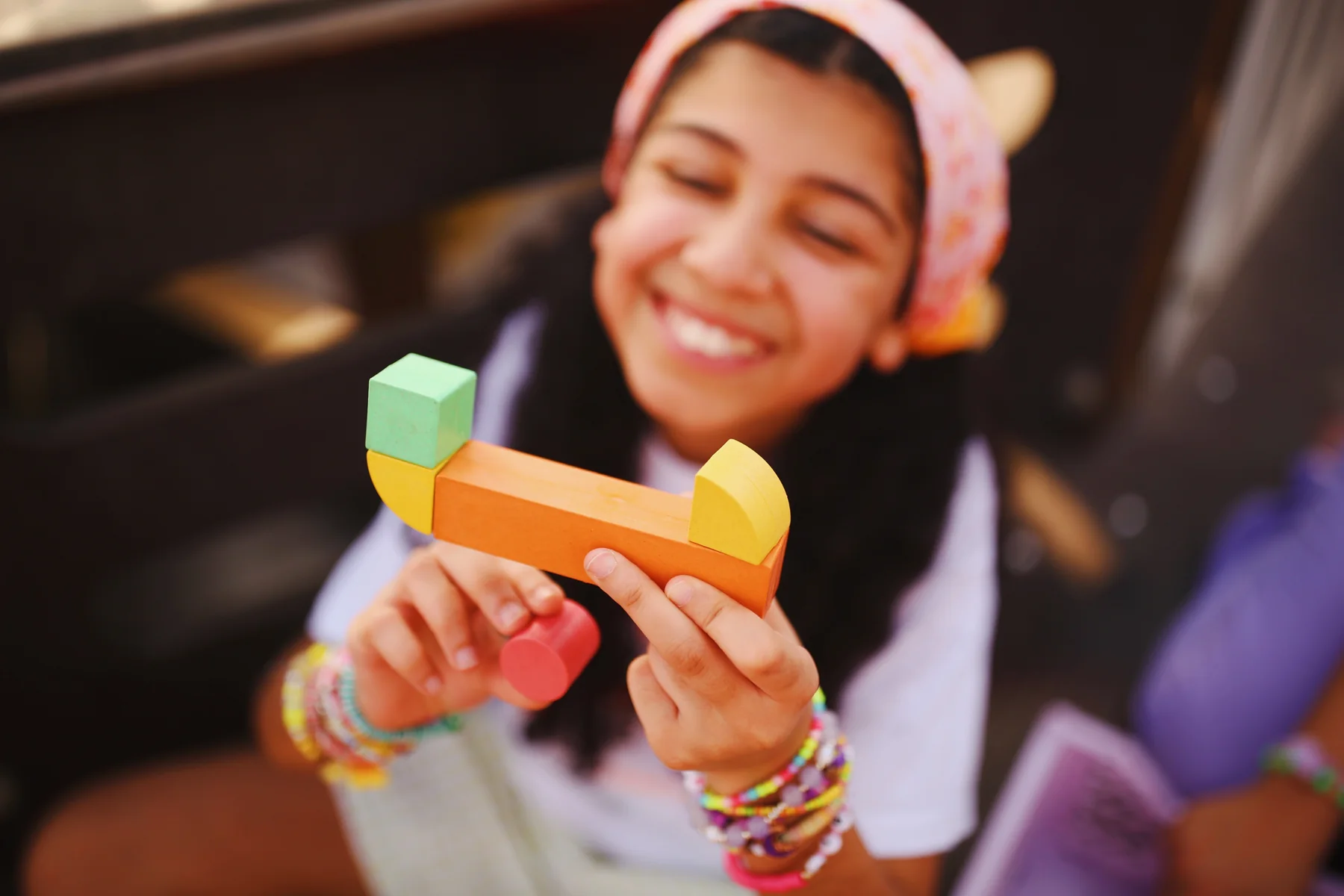
Her children are the reason Akwan exists, she says, and they remain its inspiration. She loves looking back at photographs from the earliest days of product development, seeing how small they were, then watching them grow from unboxing and testing samples to preparing orders, joining her at fairs, helping with social media. When her daughter says she wants to be the CEO of Akwan one day, she encourages her to find her own path, but it warms her heart all the same.
The Hope
A Lifelong Arabic
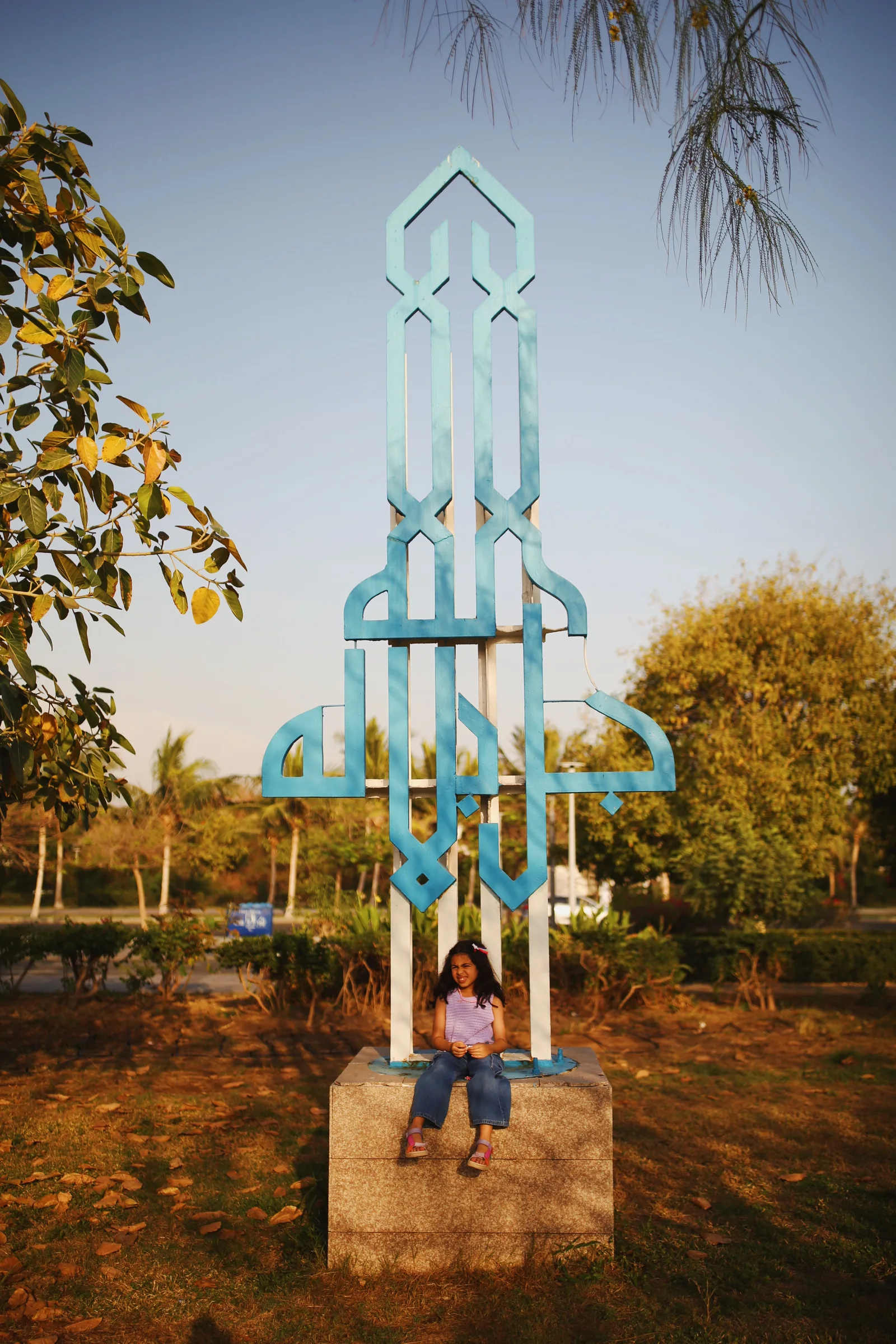
If a child grows up with Akwan and carries one feeling about Arabic into adulthood, she hopes it is pride, curiosity, and the sense that the language is a lifelong journey that keeps drawing them deeper into its beauty, and, most of all, a key to the Qur’an and to a deeper understanding of life.
Quick Fire
Ten Fast Answers
The letter she loves to design most. Qaf.
A word that is beautiful in Arabic. Rahm, the root of so many divine things.
Play or lesson. Play, always.
The piece she is proudest of. Takween.
Arabic is. The foundation.
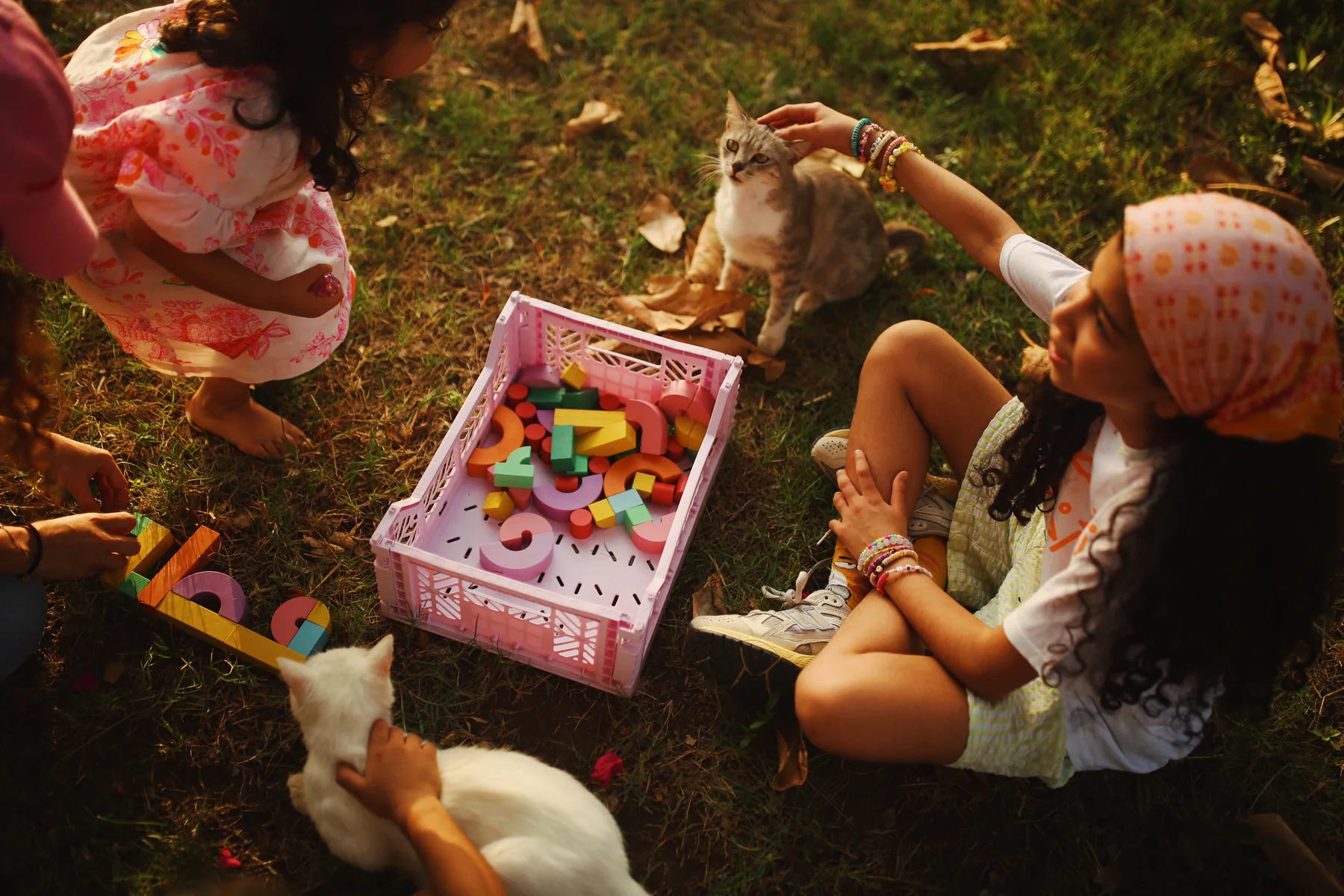
A childhood game she never forgot. Playing with her grandmother’s cushions to build endless worlds, the seed of her product Dhad.
Form or function. Both.
Design, in one word. Intuitive.
For Boujeez
There is something quietly radical in designing for children as though their imaginations were the most serious thing in the room. Lujain Abulfaraj treats a letter not as a lesson to be endured but as a doorway, and in doing so she makes a case that reaches far beyond the nursery. Heritage survives not by being guarded, but by being played with. The surest way to keep a language alive may be to hand it to a child and let her build a universe out of it.